Service Overview
I design visual systems that transform data into meaning. Whether through precise analytical presentation or expressive artistic interpretation, my data visualization work aims to reveal structure, insight, and narrative within complex information.
This practice bridges art and analysis, combining mathematical literacy, design clarity, and creative experimentation.
Analytical Foundations
My background in mathematics, science, and systems development provides a strong foundation for visualizing complex datasets with accuracy and integrity. I work fluently with the underlying structures that data represents, from formula-driven models to dynamic systems and simulations.
Working with Raw Data
I am comfortable working directly with raw or structured data, building custom pipelines to interpret, calculate, and transform information into visual form. This includes designing bespoke processes to extract insight from unconventional or highly technical datasets.
The result is visualization that reflects the true structure of the data rather than an abstracted or superficial representation.
Artistic Interpretation
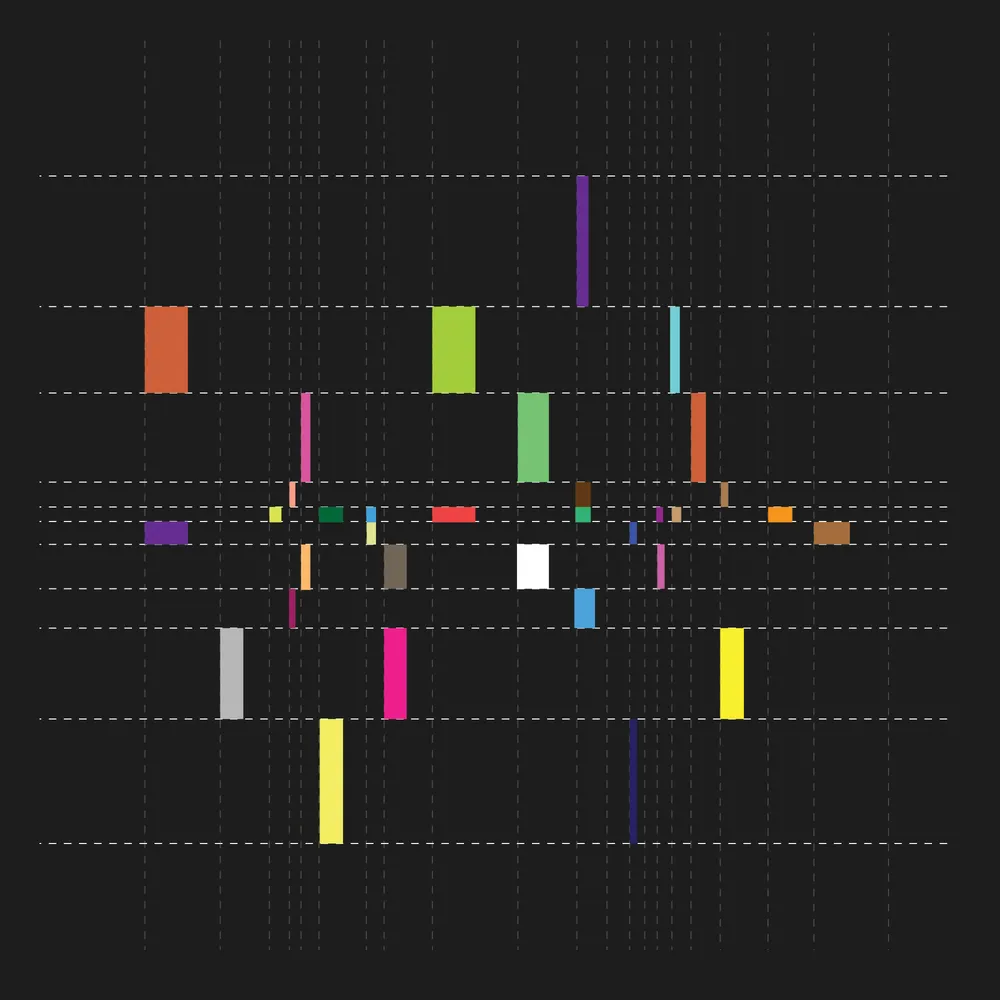
Beyond utility, data can function as a creative medium. I develop expressive and avant-garde visualizations that translate numbers into shape, rhythm, motion, and atmosphere.
These works often serve as centerpiece visuals for presentations, exhibitions, white papers, or digital experiences, balancing intellectual rigor with emotional resonance.
Tools and Technologies
My work spans both technical and design-oriented platforms. I integrate workflows across analytical tools, programming environments, and real-time visual systems to produce static, interactive, or generative outputs.
Each project is approached individually—prioritizing clarity and precision when accuracy is required, and visual exploration when inspiration or conceptual impact is the goal.
Applied Visualization
I apply data visualization across a wide range of contexts, translating complexity into clarity and elegance. Typical applications include scientific and academic publications, institutional and corporate reports, exhibition displays, interactive or generative web experiences, and conceptual or speculative design work.
While these examples reflect common use cases, the underlying approach is flexible—nearly any structured information can be visualized meaningfully with the right framing.
Art and Engineering
The strongest distinction in my data visualization work lies in the union of art and engineering. My practice is supported by active expertise in programming, systems design, and scientific computation, extending visual design beyond aesthetics into structured logic and technical fluency.
This allows data visualization to function not only as presentation, but as a bridge between analytical understanding and human perception.