


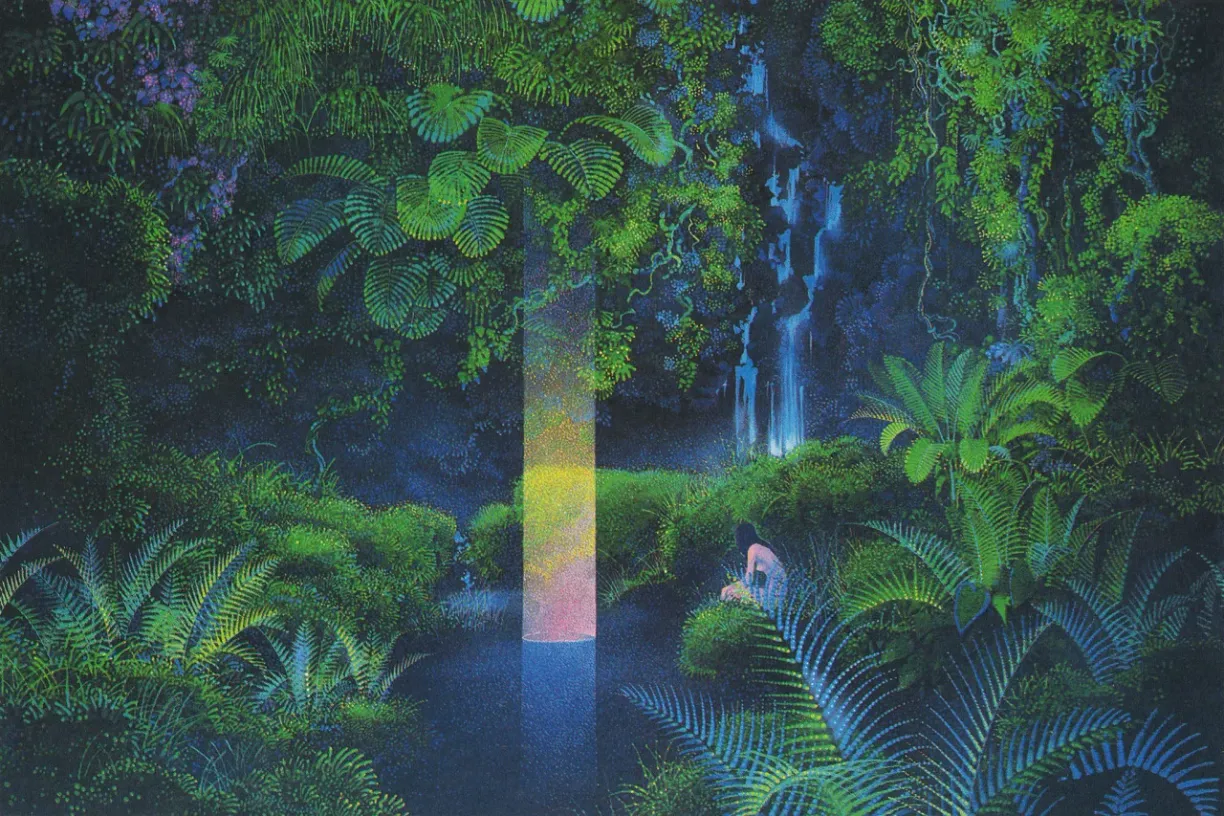
- Hiroo Isono, Into the Depths of the Sacred Forest, 1982
- Also known as Beam of Light or Untitled 1982
- An iconic example of Isono's work
- © Hiroo Isono
Introduction
Hiroo Isono is a Japanese painter and illustrator best known for his intricate, dreamlike depictions of forests, jungles, and imagined natural worlds. His work is celebrated for its quiet density—lush environments filled with subtle life, softened light, and an almost meditative sense of space. Rather than emphasizing spectacle or narrative drama, Isono’s paintings invite a slower form of engagement, evoking wonder through atmosphere and restraint.
In the West, there is a single, unusually narrow gateway into Hiroo Isono’s work. His paintings are not widely circulated through museums or major publications, and much of his career remains difficult to access outside Japan. Yet a handful of key illustrations have given his imagery remarkable staying power. Many people carry a deep affection for these worlds without knowing his name.
Biography
Hiroo Isono (磯野 宏夫) was born on November 30, 1945, in Aichi Prefecture, Japan, and graduated from the Fine Arts Department of Aichi University of Education in 1968.
After a brief hiatus following his studies, Isono began working professionally as a freelance illustrator, later joining a corporate design studio in 1970 while continuing his independent painting practice. Over the decades that followed, he maintained a steady output across illustration, publishing, and fine art, balancing personal work with commissioned projects.
Isono passed away on May 28, 2013, due to heart failure. While his original works remain sought after by collectors, much of his broader legacy—particularly documentation, reproductions, and contextual writing—relies heavily on fan archives and scattered platforms. One aim of this article is to contribute to a more durable critical record, helping ensure that his work remains visible, documented, and accessible beyond informal preservation.
Artworks Overview
This section offers a brief grounding in the subject matter of Hiroo Isono’s work. While his paintings return consistently to forests and natural environments, they are not repetitive. Individual works often introduce unexpected elements—structures, figures, or atmospheric phenomena—that appear only once or rarely across the broader body of work. These one-off inclusions are handled with ease, never feeling ornamental or disruptive. Even when unfamiliar elements emerge, they remain integrated within the forested world, reinforcing the sense that these environments are expansive enough to contain variation without losing coherence.
Forests
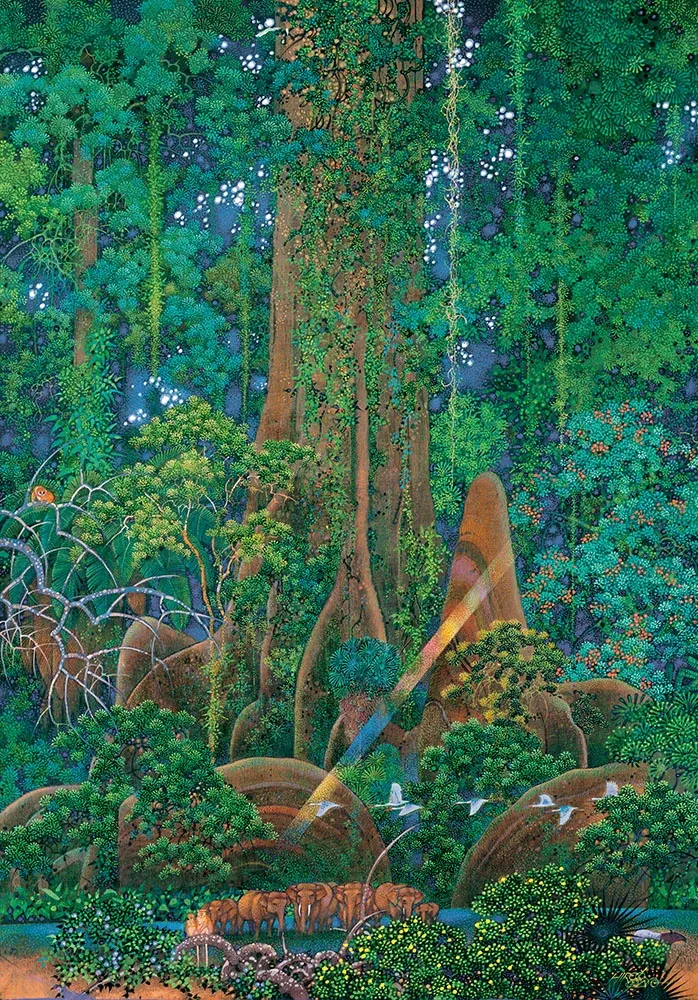
- Hiroo Isono, Concept art for Seiken Denstesu 3, c. 1995
- The same image side by side demonstrating color accuracy issues on the limited available work on the internet
- © Rights held by the respective copyright holders
Forests are Isono’s most persistent subject, appearing across nearly all of his work and reflecting a life deeply attuned to nature and the exploration of wooded landscapes. Rather than depicting forests from a distance, he paints from within the foliage, constructing spaces that surround the viewer and build upward through layered canopies and towering trunks. Depth is achieved through vertical stacking rather than linear recession, encouraging the eye to climb through the composition as if moving through the forest itself.
This image encapsulates many of the recurring qualities of his forest scenes: a perspective suspended between the symbolic and the naturalistic, a canopy that feels alive rather than fully defined, and a seamless weaving of plants, light, and terrain into a single flowing structure. His use of natural color and dense ecological detail transforms the forest into a living system—immersive, ancient, and quietly monumental.
Birds
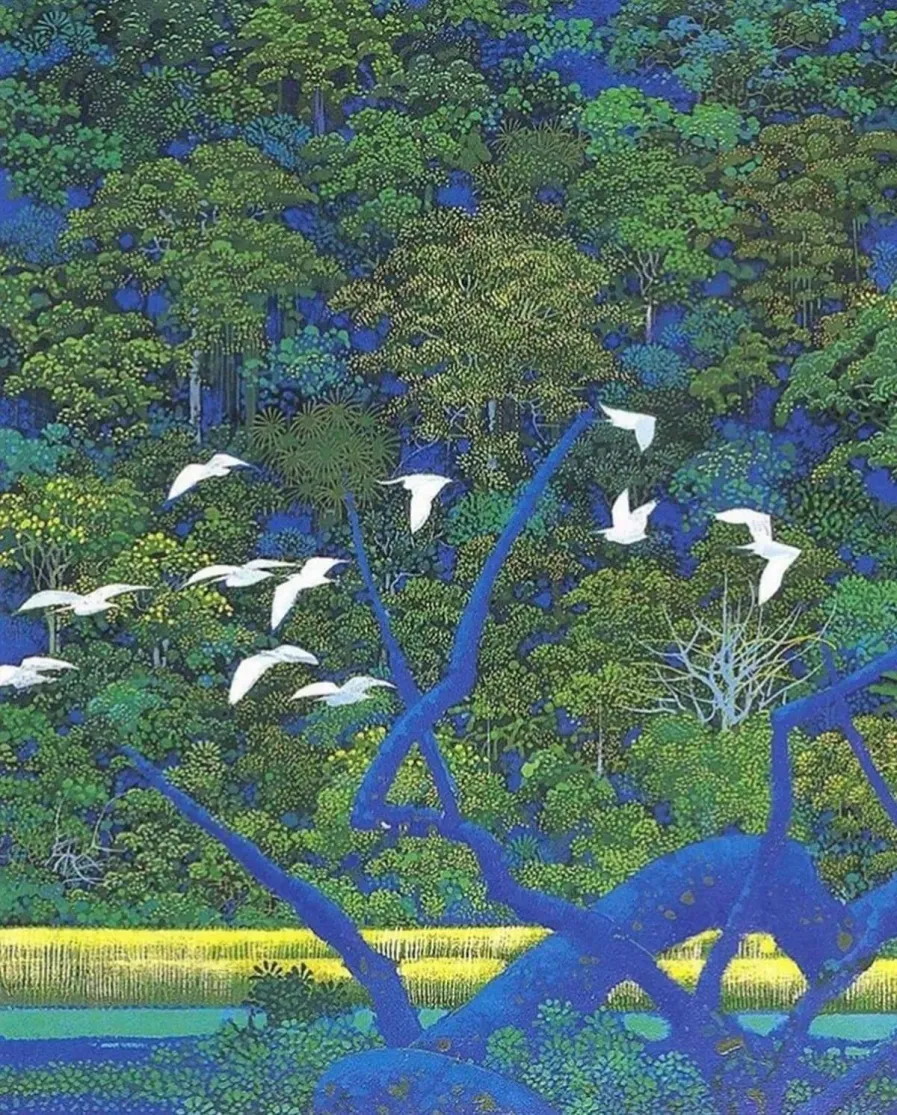
- Hiroo Isono, Concept art for Seiken Denstesu 3, c. 1995
- The same image side by side demonstrating color accuracy issues on the limited available work on the internet
- © Rights held by the respective copyright holders
Closely entwined with Isono’s forests is the recurring image of birds, most often appearing in quiet flocks drifting through the canopy. In his own travels, encounters with birds were noted as meaningful milestones, and this attentiveness carries directly into his work. The motif appears so consistently that it becomes a kind of personal mythology—less a decorative element than a signature, suggesting movement, passage, and a watchful presence woven throughout his artistic journey.
This piece also demonstrates Hiroo Isono’s understated yet demanding command of color and composition. The foreground is compressed into a resonant blue, allowing light to emerge gently at a liminal time of day, while the birds glide through a vertically climbing forest pattern. The result is a scene that feels both suspended and alive, where color, motion, and atmosphere are inseparable.
Animals
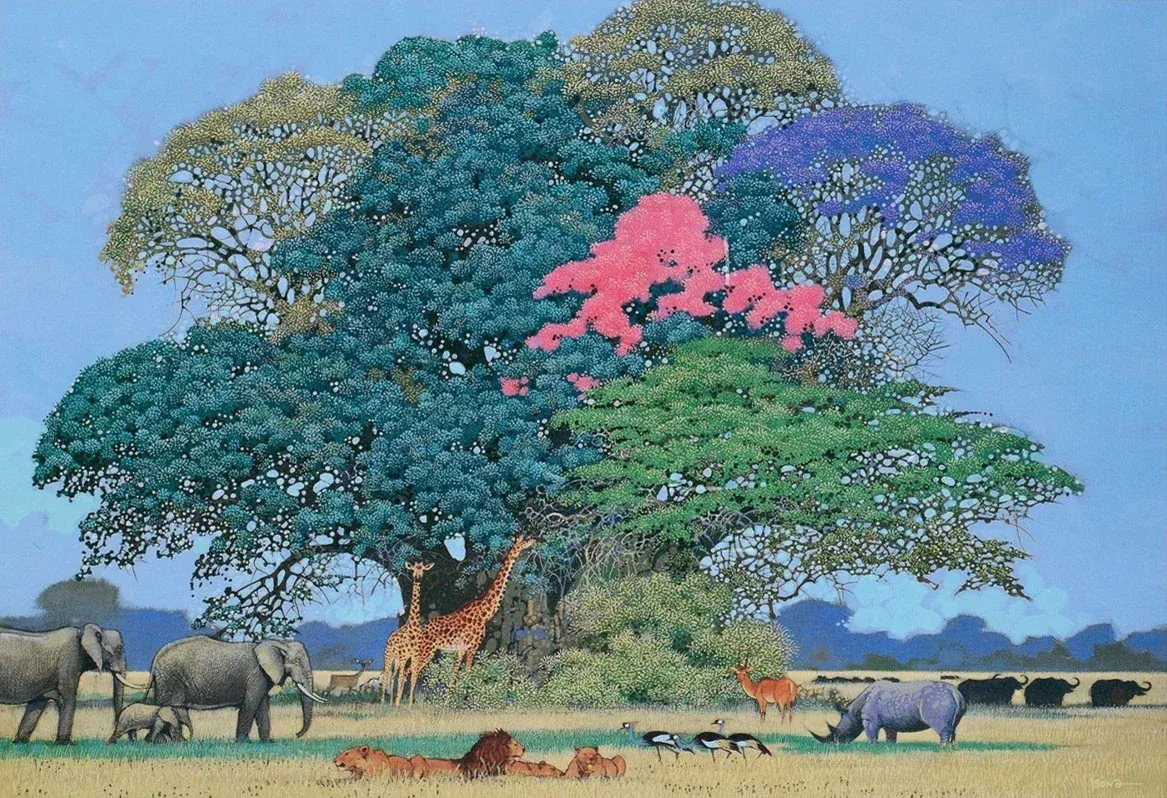
- Hiroo Isono, Baobab Dreams
- An example of Isono's work featuring animals
- © Hiroo Isono
Isono’s treatment of animals operates across two distinct modes. At times, animals appear as natural inhabitants, partially embedded within the forest and discovered through observation, sharing the same atmospheric logic as the surrounding landscape. In other works, animals are rendered more declaratively, layered into the scene as symbolic presences whose scale and clarity resist naturalistic integration. This duality creates a productive tension in his work, where forests function as immersive environments while animals oscillate between ecological participants and mythic emblems.
Architectural Futurism
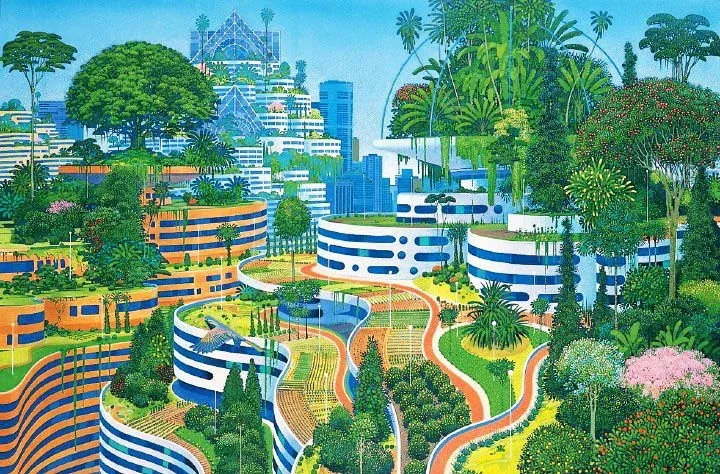
- Hiroo Isono, Concept art for Seiken Denstesu 3, c. 1995
- The same image side by side demonstrating color accuracy issues on the limited available work on the internet
- © Rights held by the respective copyright holders
Another recurring thread in Isono’s work is architectural futurism, rooted in an optimistic strain of Asian modernism that views technology as compatible with nature rather than opposed to it. These scenes depict visionary cities interwoven with forests, where development does not displace the natural world but exists alongside it.
His architecture is treated with the same structural logic as trees and terrain. Buildings curve, stack, and branch in ways that mirror organic growth, allowing roads, terraces, and towers to read as extensions of the landscape rather than imposed systems. The result is a form of futurism where the built environment appears fully integrated, functioning as another layer within the ecological whole.
Narrative
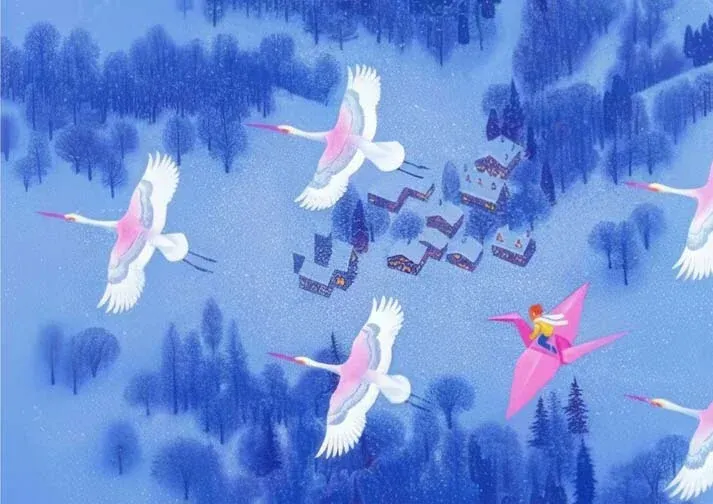
- Hiroo Isono, Concept art for Seiken Denstesu 3, c. 1995
- The same image side by side demonstrating color accuracy issues on the limited available work on the internet
- © Rights held by the respective copyright holders
Narrative elements appear intermittently in Isono’s work, largely informed by his professional background in illustration and production-based projects. While not a constant feature, many pieces carry a loose, storyboard-like quality, suggesting motion, sequence, or a moment extracted from a larger context.
Alongside this, a playful strain of fantasy often enters his otherwise naturalistic scenes. Surreal elements are woven into forests and landscapes, and the scale of the sky is frequently expanded to include stars, planets, or improbable spatial depth.
World Building
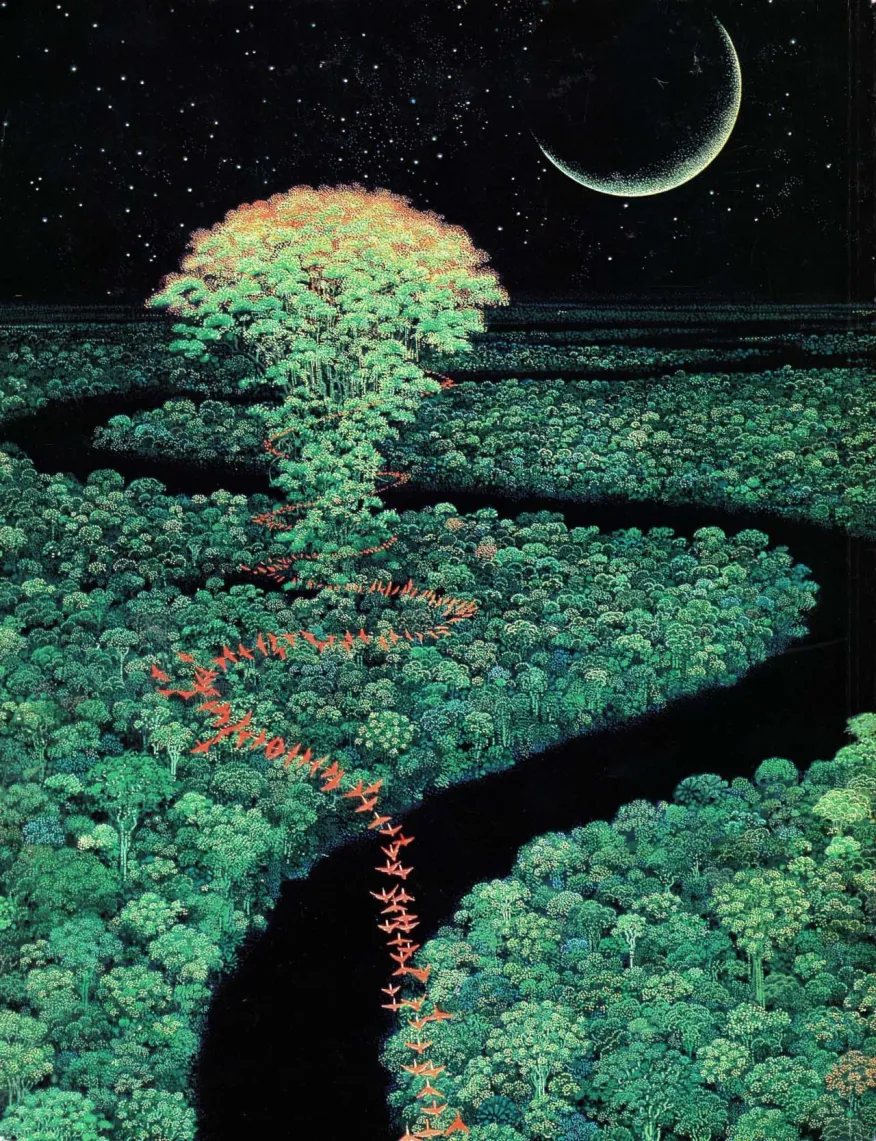
- Hiroo Isono, Concept art for Seiken Denstesu 3, c. 1995
- The same image side by side demonstrating color accuracy issues on the limited available work on the internet
- © Rights held by the respective copyright holders
World building is central to Isono’s legacy, shaped by his role as a principal visual artist on several culturally significant production works. He is best known for his contributions to the Mana series, where his illustrations functioned not merely as promotional material but as foundational world-defining imagery.
In these projects, Hiroo Isono’s environments established much of the franchise’s thematic tone and visual language. His work helped define how these worlds were imagined, remembered, and expanded, blurring the line between illustration, concept art, and narrative world construction.
Nature
Nearly all known work by Isono is depictions of the forest. Even his futuristic cities emerge from dense tree coverage. This section explores potential influences behind that focus.
Aichi Prefecture
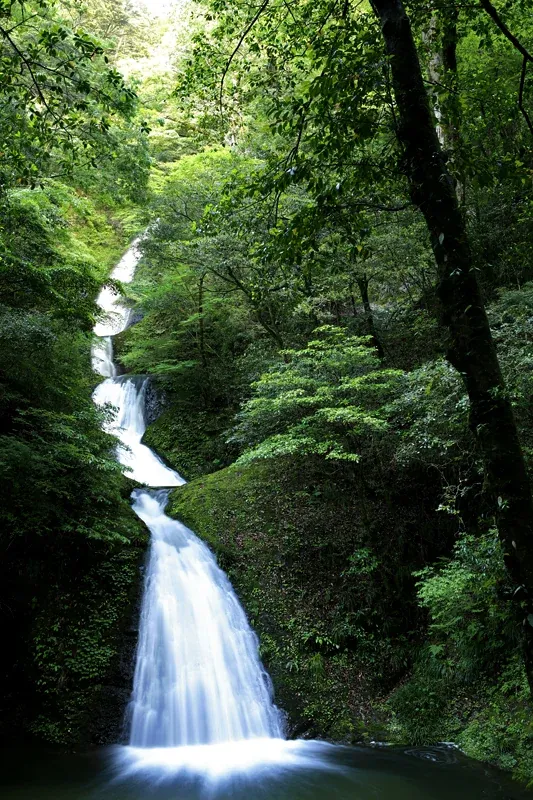
- Atera Nana Falls (阿寺の七滝), Shinshiro, Aichi Prefecture, Japan
- Photograph, c. 2008
Hiroo Isono was born in Aichi Prefecture, a region defined less by monumental scenery than by density, proximity, and continuity between human settlement and forested land. Eastern Aichi transitions into wooded hills and low mountains, while much of the region is characterized by layered vegetation, humid seasonal climates, and landscapes where forests are not destinations but constant presences. Nature in this context is neither remote nor romanticized; it is immediate, enclosing, and ordinary. Growing up within such an environment likely shaped Isono’s visual familiarity with forests as lived spaces rather than dramatic backdrops, reinforcing a comfort with density, limited sightlines, and gradual spatial transitions.
When viewed alongside photographs of Aichi’s natural environment, clear visual correspondences emerge in Isono’s work: recurring tree silhouettes, branching patterns, and foliage masses that echo real botanical forms common to the region. His color contrasts—cool greens layered against warmer undergrowth, mist-softened blues, and muted earth tones—closely align with the atmospheric conditions produced by humidity, seasonal light, and dense plant life. These similarities do not suggest literal depiction, but they do point to a deeply internalized visual language shaped by sustained exposure. Rather than inventing forests from abstraction, Isono appears to work from a reservoir of observed forms and environmental memory, translating the natural character of his surroundings into imagined worlds that feel coherent, grounded, and unmistakably alive.
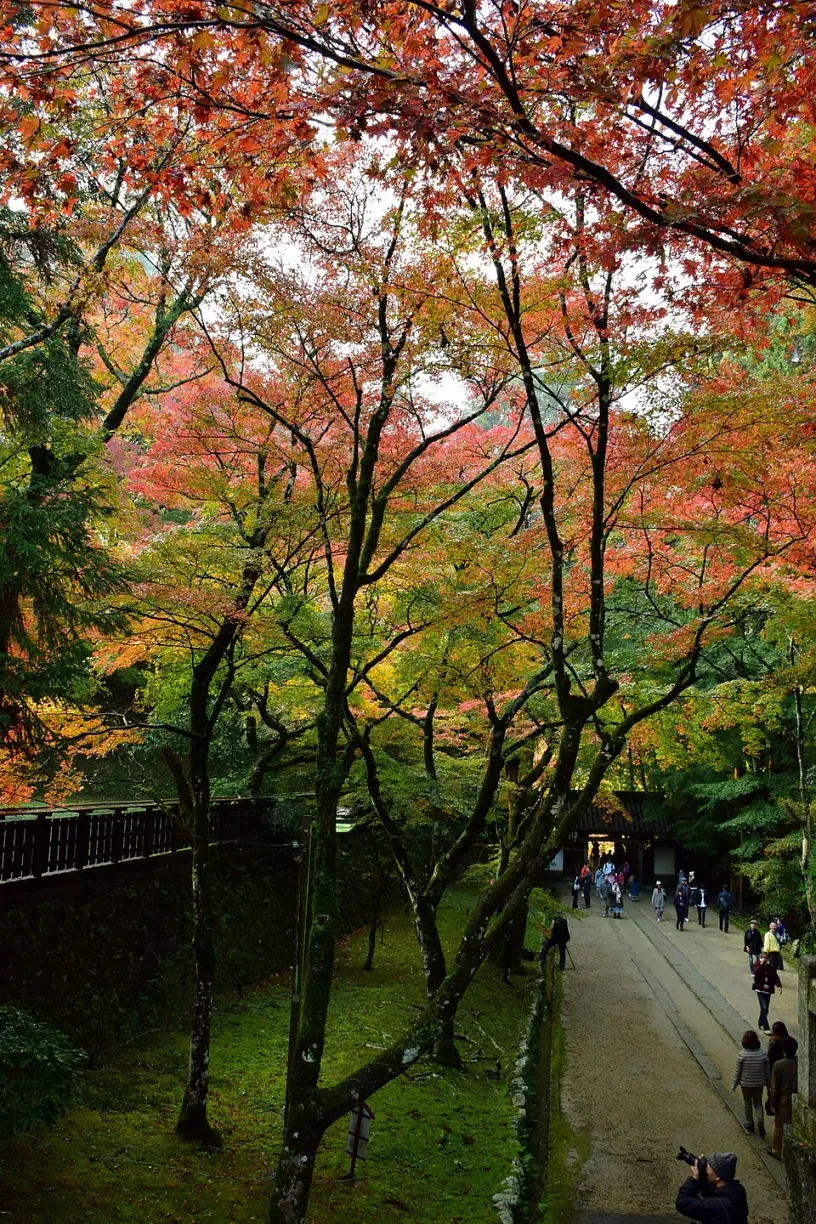
- Kōshaku-ji (香積寺) Temple Grounds
- Photograph, November 20, 2016
- © Bariston — Licensed under Creative Commons Attribution-ShareAlike 4.0 International (CC BY-SA 4.0).
- Source: Wikimedia Commons.
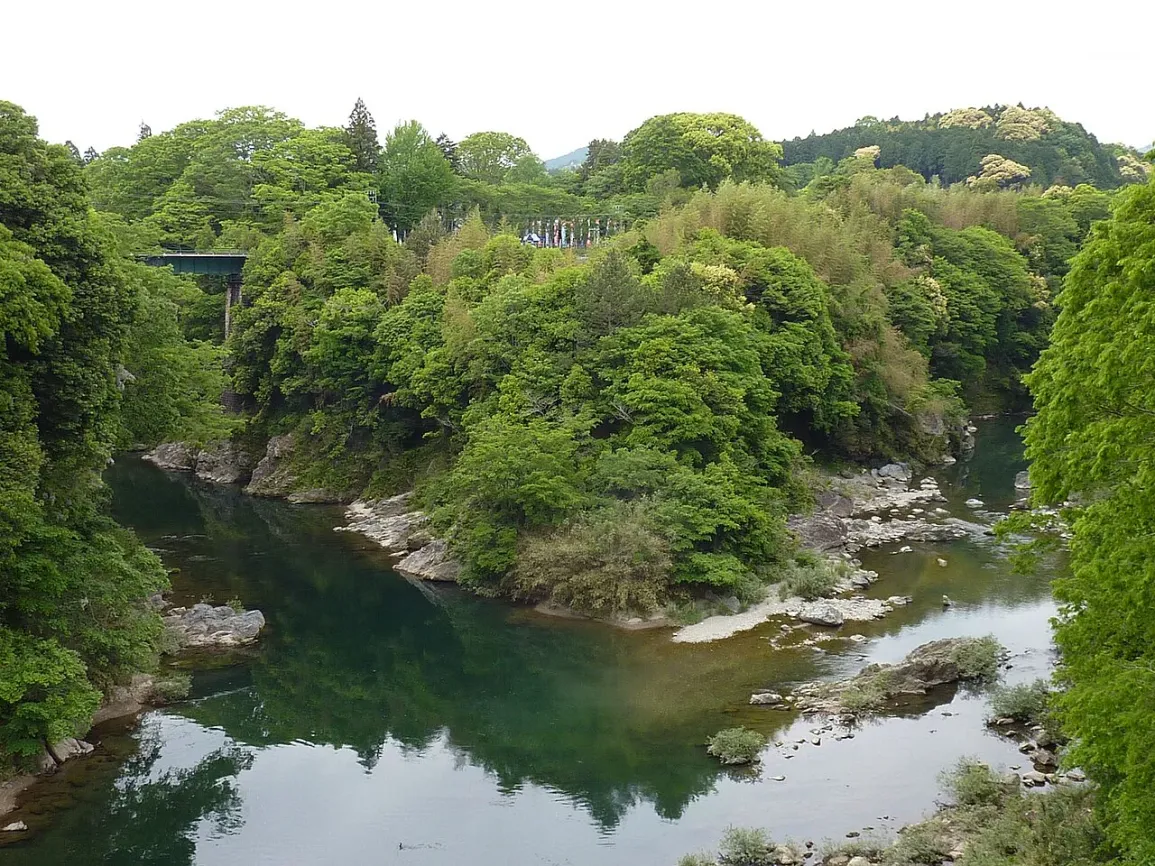
- Nagashino Castle site image (CC BY-SA 3.0 / GFDL)
- Site of Nagashino Castle, Shinshiro, Aichi Prefecture, Japan
- Photograph, 2006–2009
- © Aboshi / Mocchy — Licensed under Creative Commons Attribution-ShareAlike 3.0 Unported (CC BY-SA 3.0) and GFDL.
- Source: Wikimedia Commons.
Trees
Japanese Alder (Alnus Japonica)
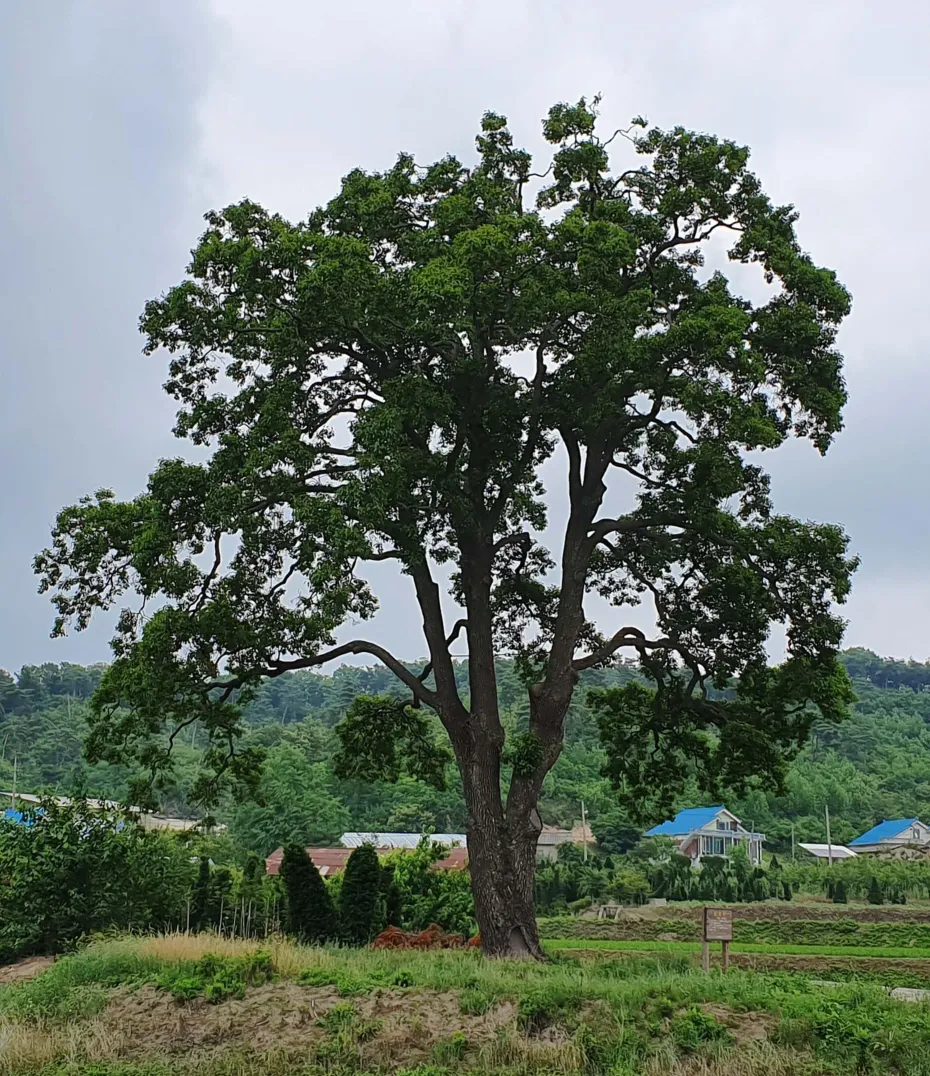
- A Japanese Alder photographed in Korea
- 포천 초과리 오리나무 (抱川 初果里 五里木)
- 문화재청 (공공누리 제1유형)
- Source: Cultural Heritage Administration of Korea (문화재청), heritage.go.kr (KOGL Type 1)
Appearing in Japan, Korea, Taiwan, Eastern China and Russia this tree shares many properties with Isono's depictions.
Kusunoki
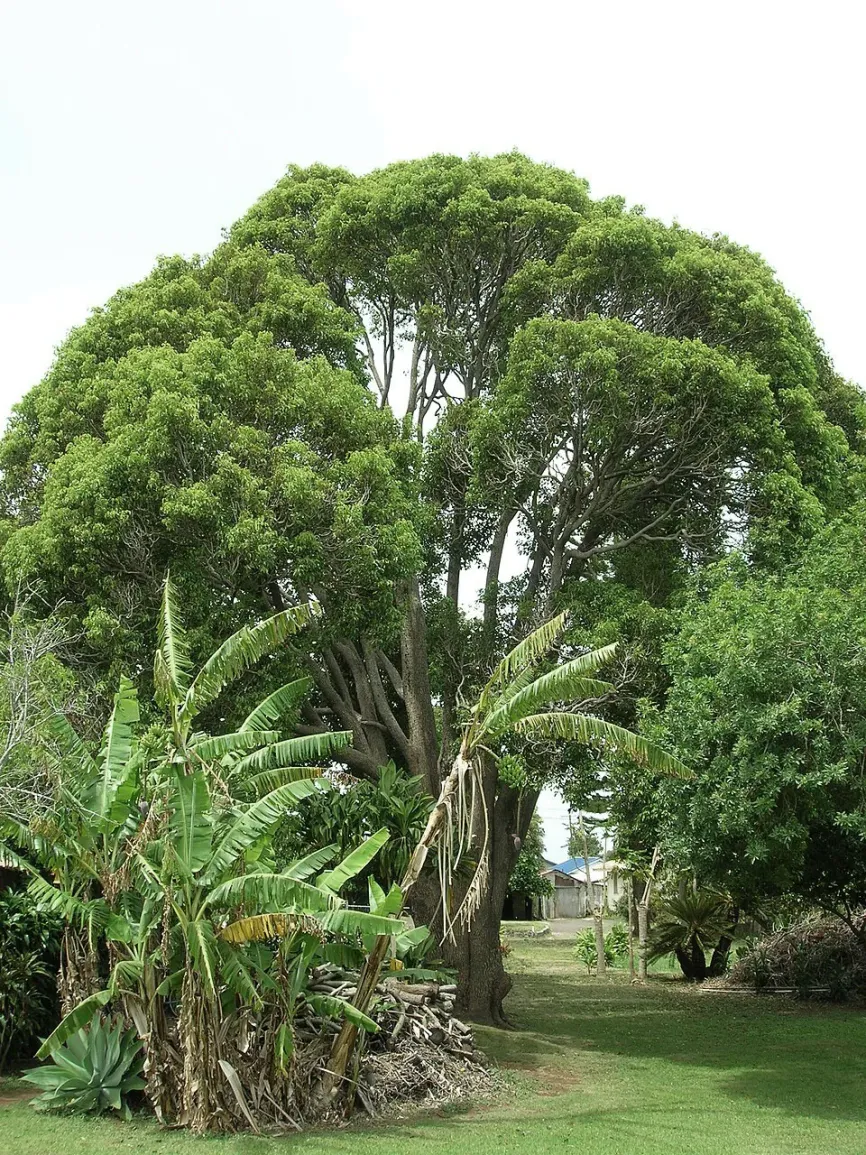
- Kusonoki (Camphor tree)
- Tall camphor tree in a residential yard, Makawao, Maui, Hawaii, photographed April 29, 2008.
- Photograph by Forest & Kim Starr.
- Licensed under Creative Commons Attribution 3.0 United States (CC BY 3.0)
Kusunoki refers to Camphora officinarum, commonly known in English as the camphor tree. It is an evergreen species native to East Asia, including Japan, where it holds strong cultural and visual significance. The tree is known for its immense scale, often reaching 20–30 meters in height, with some historic specimens in Japan possessing extraordinarily wide trunk circumferences. These qualities—mass, longevity, and dense, rounded canopies—closely align with the monumental tree forms that recur throughout Hiroo Isono’s work.
Shinto
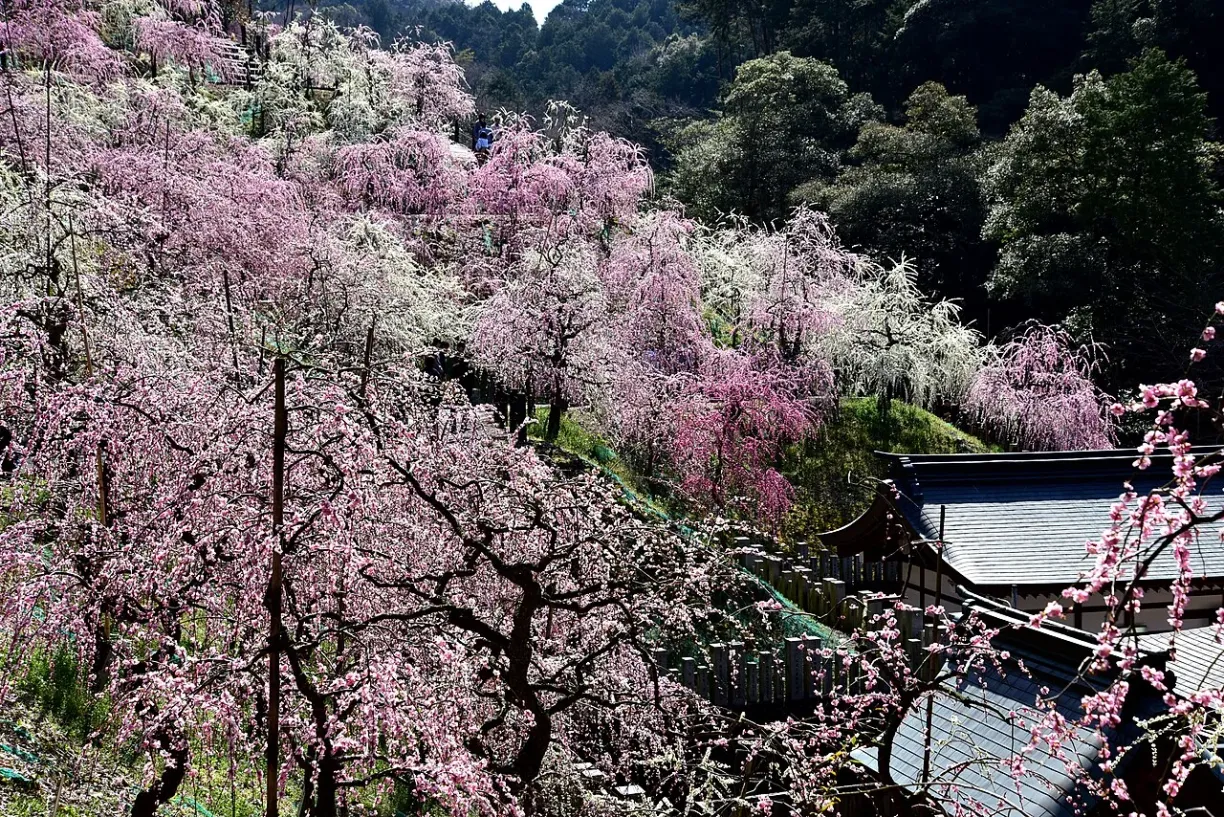
- Ōagata Shrine Plum Garden (大縣神社の梅園)
- Photograph, March 18, 2018
- Captured on Nikon D750 by Bariston
- © Bariston — Licensed under Creative Commons Attribution-ShareAlike 4.0 International (CC BY-SA 4.0)
Shinto is less a doctrinal religion than a cultural worldview embedded in everyday life in Japan. Rather than prescribing formal belief, it describes a way of understanding the relationship between humans and the natural world. Mountains, forests, trees, rivers, and weather are not treated as inert scenery, but as sites of presence and continuity. Shinto does not insist on symbolism or moral instruction; instead, it emphasizes coexistence, attentiveness, and respect for natural environments as living systems. Because of this, Shinto operates diffusely—through seasonal rituals, local shrines, language, and customs—often without requiring conscious participation or explicit identification.
In regions such as Aichi Prefecture, where forested landscapes and rural-urban transitions remain prominent, this worldview forms a persistent cultural backdrop. While there is no documentation indicating that Hiroo Isono personally practiced Shinto or engaged with it as a belief system, it is reasonable to suggest that its underlying assumptions would have shaped the cultural environment in which he was raised. Such influence does not depend on personal faith; it emerges through shared attitudes toward nature as something proximate, inhabited, and quietly significant. This broader cultural context offers a useful lens for understanding why Isono’s forests feel attentive rather than neutral—spaces that appear complete in themselves, neither symbolic nor theatrical, but grounded in a lived familiarity with nature as an enduring presence rather than a backdrop to human action.
Travels
Isono’s engagement with forests was not imagined but repeatedly experienced through direct travel, which became a defining method of his practice. The listing of his travels is cited from his estate run website, and they were prominently listed alongside releases of major publications and exhibitions, as major milestones in Isono's life.
Yaeyama Islands (1974)

- Uchibanari Island Mine Entrance and Ventilation Chimney (内離島坑口・送風用煙突)
- Photograph, January 1, 2014
- © Miyo & SDD34 — licensed under Creative Commons Attribution-ShareAlike 4.0 International (CC BY-SA 4.0)
Solomon Islands (1975)

- Coastal Life in the Solomon Islands
- Photograph, October 4, 2012
- View of everyday coastal activity in the Solomon Islands, reflecting the island environment of the South Pacific.
- © Leocadio Sebastian — licensed under Creative Commons Attribution 2.0 Generic (CC BY 2.0)
In 1975, Isono traveled to the Solomon Islands, an island nation in the South Pacific located east of Papua New Guinea and south of the equator. During this visit, it is explicitly noted that he gazed up at the Southern Cross, a constellation visible only from the Southern Hemisphere and therefore absent from the night sky in Japan. For a traveler from the north, encountering the Southern Cross represents a literal shift in orientation—standing beneath a different sky as well as within a different landscape. Within the context of Isono’s life, this moment marks an early expansion of his worldview beyond Japan, reinforcing the global scope of his later engagement with forests, islands, and natural environments across hemispheres.
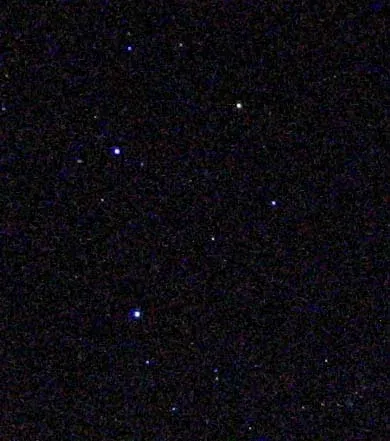
- The Southern Cross (Crux) Constellation
- Photograph, November 6, 2006
- Cropped view of the southern night sky centered on the Southern Cross constellation, visible only from the Southern Hemisphere.
- © JoKerozen — licensed under Creative Commons Attribution-ShareAlike 2.5 Generic (CC BY-SA 2.5)
Jōmon Sugi (1988)
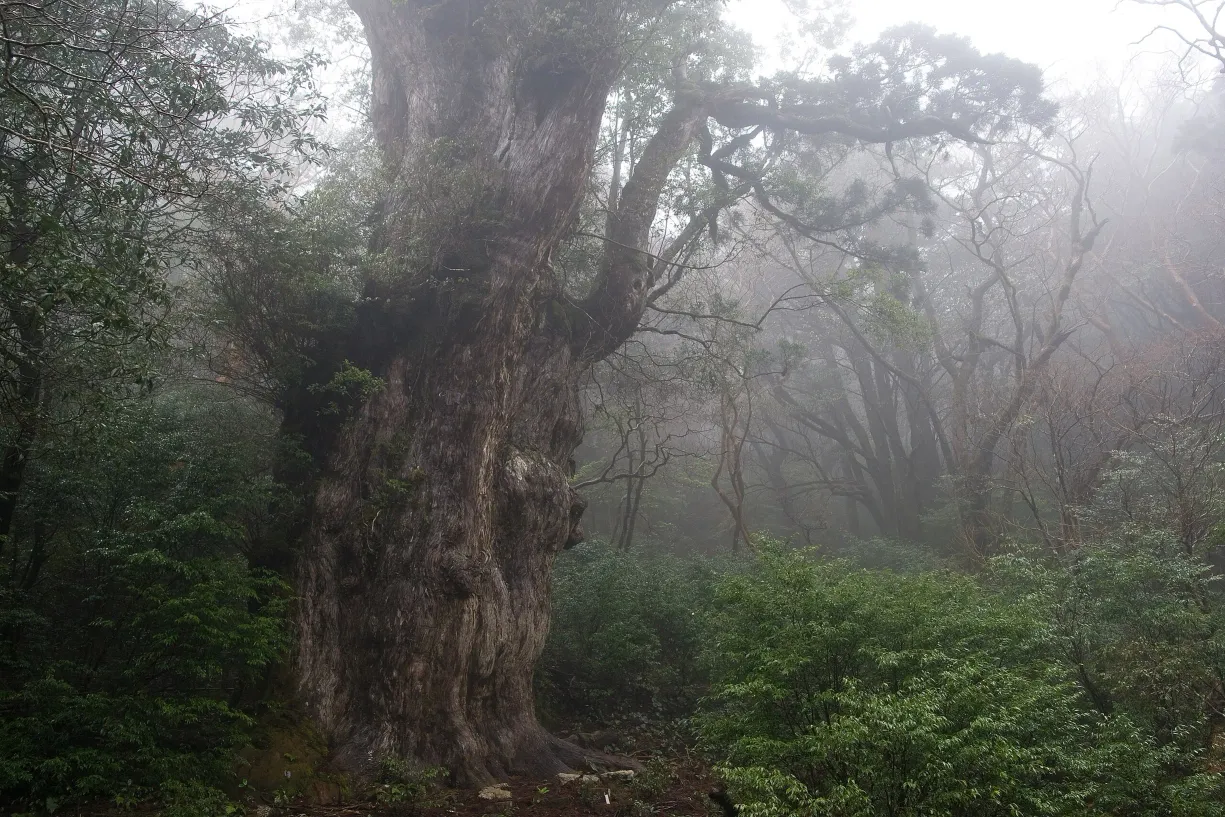
- Jōmon Sugi (縄文杉), Yakushima, Kagoshima Prefecture, Japan
- Photograph, March 6, 2012
- The ancient Jōmon Sugi cedar on Yakushima Island, one of the oldest and most revered trees in Japan.
- © Σ64 — licensed under Creative Commons Attribution 3.0 Unported (CC BY 3.0) and GNU Free Documentation License (GFDL)
In 1988, Isono stood in front of the Jōmon Cedar (Jōmon Sugi) on Yakushima Island, a prehistoric Japanese cedar estimated to be several thousand years old and regarded as one of the most significant natural landmarks in Japan. Yakushima’s dense, mist-laden forests are known for their ancient trees and primeval atmosphere, and this encounter situates Isono within a direct, physical relationship to deep natural time. The phrasing “standing in front of” is notable, as the image of a human figure positioned before a monumental tree later becomes a recurring motif in his work.
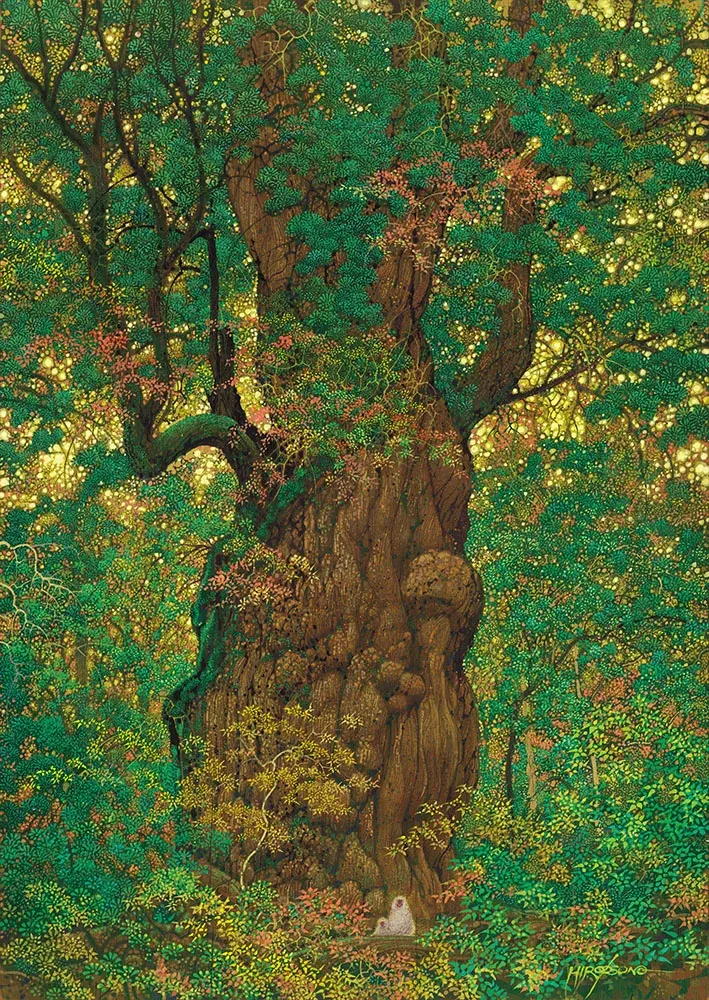
- Hiroo Isono, The Jōmon Cedar in Autumn (秋の縄文杉)
- © Hiroo Isono
Forest
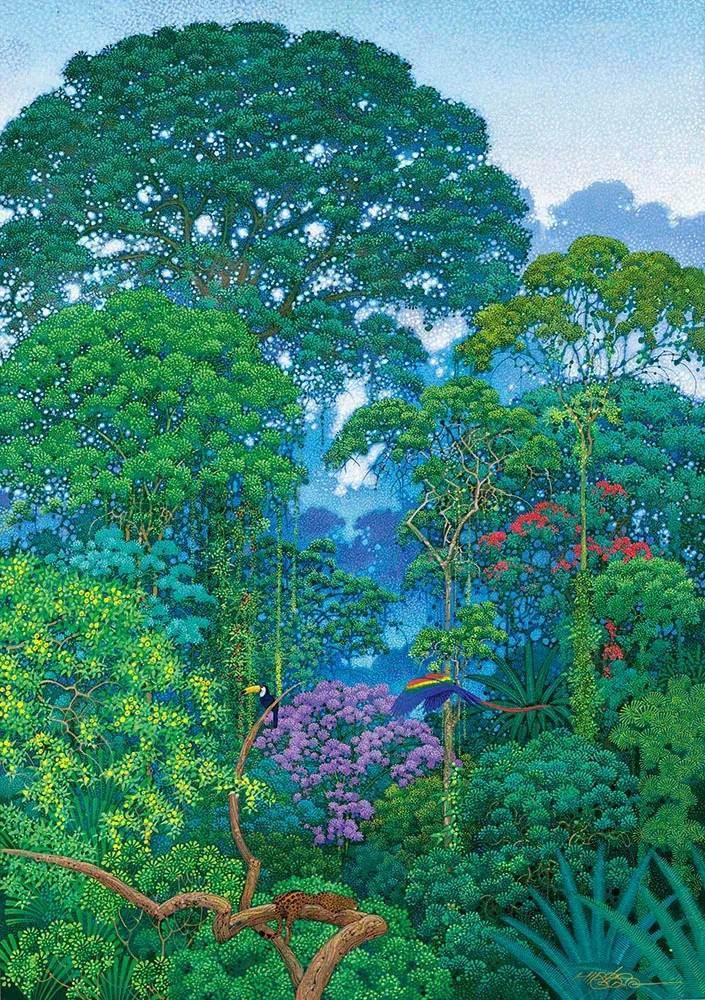
- Hiroo Isono, Spring is in Full Bloom
- The same image side by side demonstrating color accuracy issues on the limited available work on the internet
- © Hiroo Isono
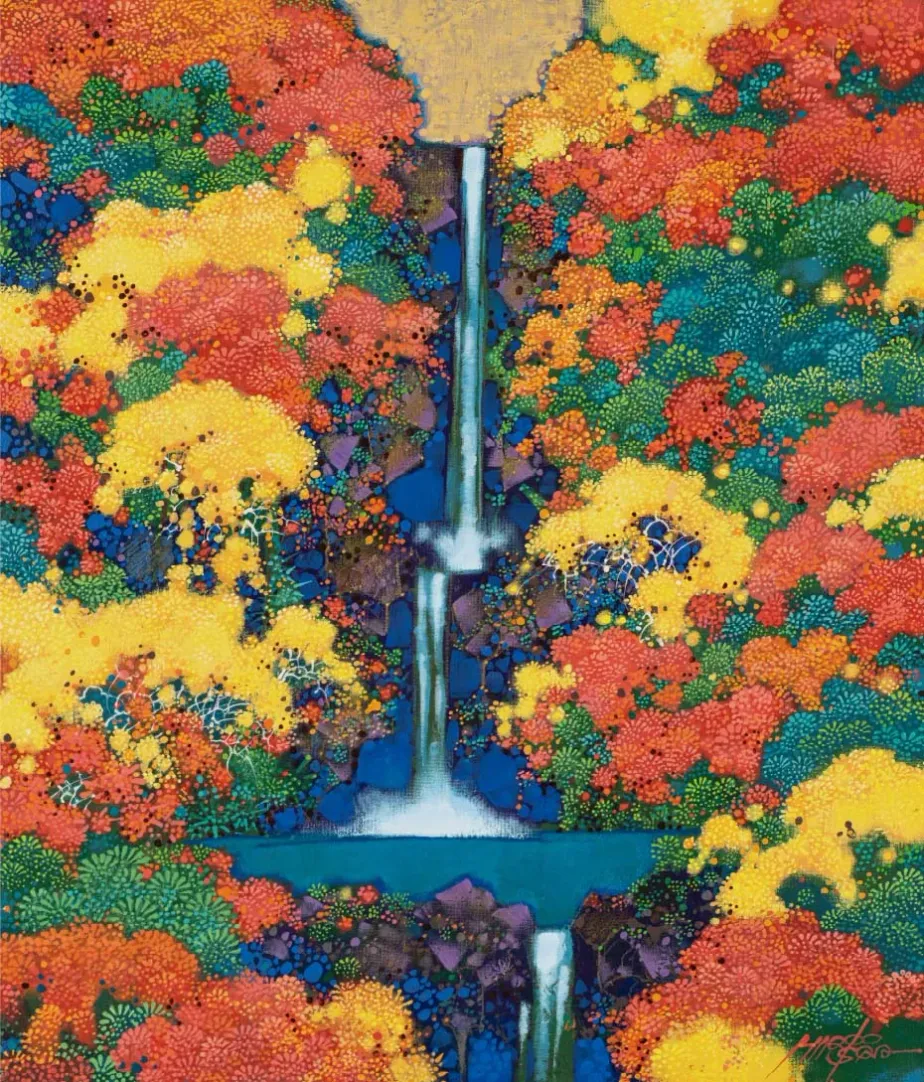
- Hiroo Isono, Spring is in Full Bloom
- The same image side by side demonstrating color accuracy issues on the limited available work on the internet
- © Hiroo Isono
Birds
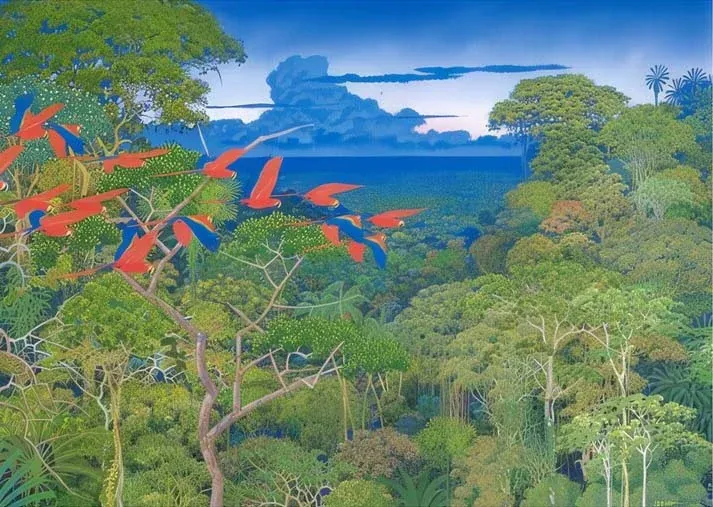
- Hiroo Isono, Spring is in Full Bloom
- The same image side by side demonstrating color accuracy issues on the limited available work on the internet
- © Hiroo Isono
Birds in procession are a recurring signature in Isono’s work. Unlike other animals, which are rendered photorealistically, the birds are handled more like his trees and foliage. They often use strong, simplified colors—such as pink or white—and their forms are more gestural.
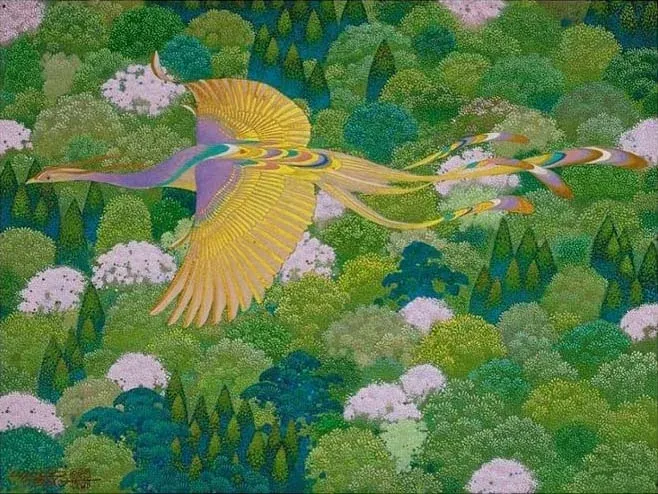
- Hiroo Isono, Spring is in Full Bloom
- The same image side by side demonstrating color accuracy issues on the limited available work on the internet
- © Hiroo Isono
This image is a rare close-up of a bird rendered with especially delicate color detail. The background is a top-down perspective Isono frequently uses where he changes his visual language of the forest to be flatter, graphic, and symbolic.
Animals
- Hiroo Isono, Spring is in Full Bloom
- The same image side by side demonstrating color accuracy issues on the limited available work on the internet
- © Hiroo Isono
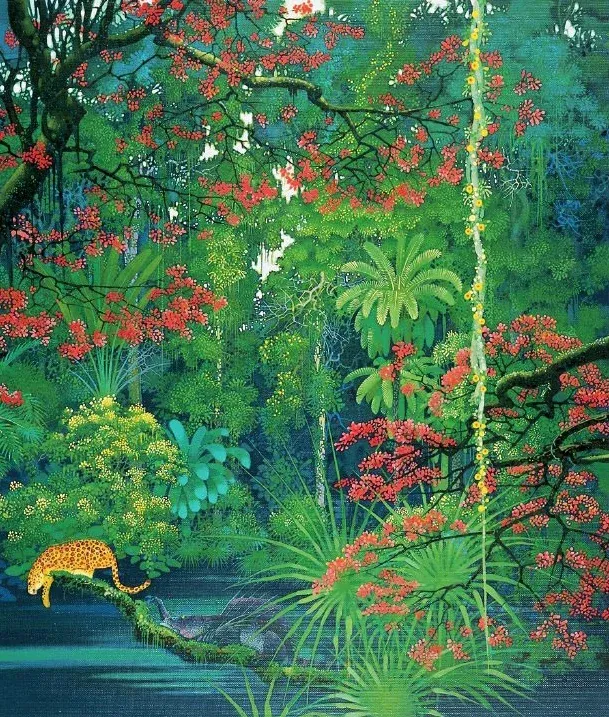
Isono’s handling of animals shows a lot of variety. In some cases, such as the leopard above, they are integrated directly into the scene, similar to how he handles birds. However, he consistently gives animals a heightened level of detail; they are never as abstract as the forest itself.
- Hiroo Isono, Spring is in Full Bloom
- The same image side by side demonstrating color accuracy issues on the limited available work on the internet
- © Hiroo Isono
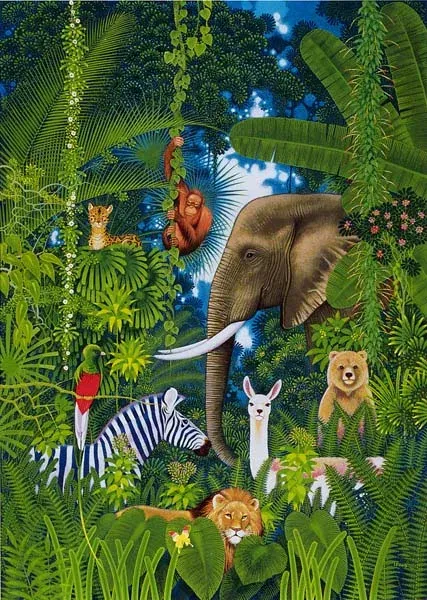
Often they gain so much detail that they become visually prominent within the landscape, arranged almost as if in presentation. I read this as a symbolic use of animals rather than a strictly naturalistic depiction of them within their habitat.
- Hiroo Isono, Spring is in Full Bloom
- The same image side by side demonstrating color accuracy issues on the limited available work on the internet
- © Hiroo Isono
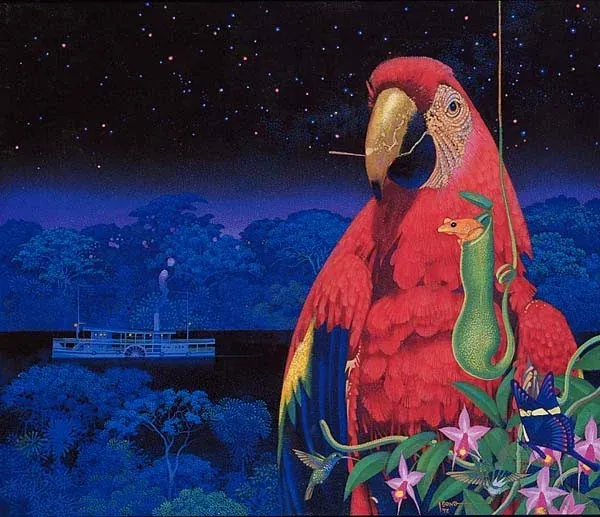
I included this painting of a macaw to show that birds can also appear in this highly rendered mode. The boat on the river is highly uncommon for him as there are very few man made objects in the discoverable body of work.
Light Beams
- Hiroo Isono, Spring is in Full Bloom
- The same image side by side demonstrating color accuracy issues on the limited available work on the internet
- © Hiroo Isono
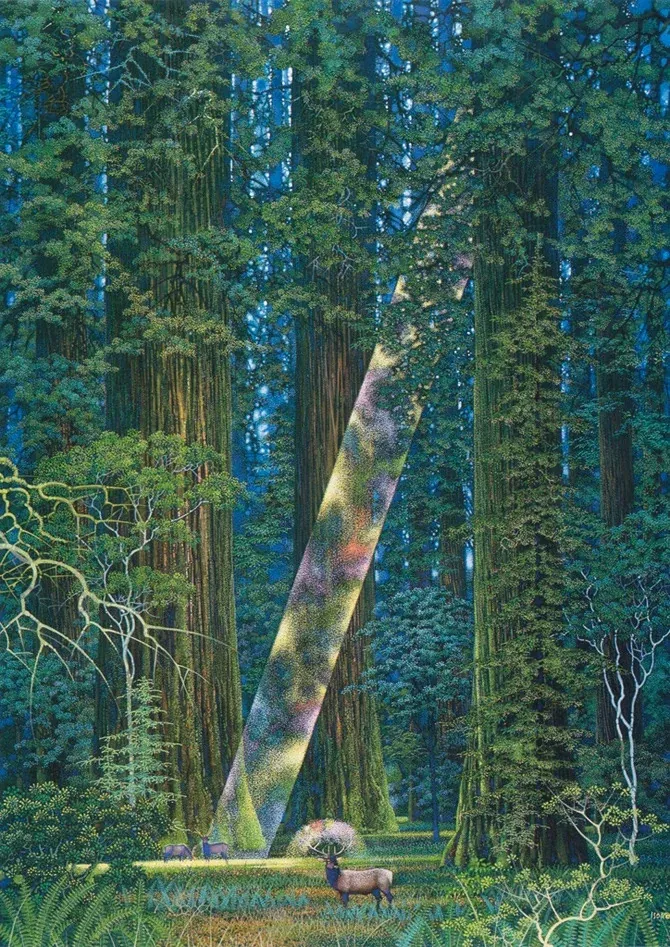
Light phenomena such as rainbows and mist appear often in Isono’s work. One recurring motif is beams of light entering the forest. I don’t know his intended meaning, but they read to me as a stylized form of “god rays”—a natural visual effect that occurs when light passes through narrow openings into darker spaces, such as sunlight breaking through a tree canopy. The result is a visible cone of light, an effect that is inherently cinematic.
Isono handles this motif in distinctive ways. The beams are often highly geometric, lighting sharply at the point of contact like a spotlight and catching the movement of mist in the air. He frequently introduces rich, saturated color that heightens the transparency of both the beam and the fog. In some cases, these beams appear as halo-like elements around animals, which gives the effect a symbolic weight, like a blessing from the forest itself.
Luminescence
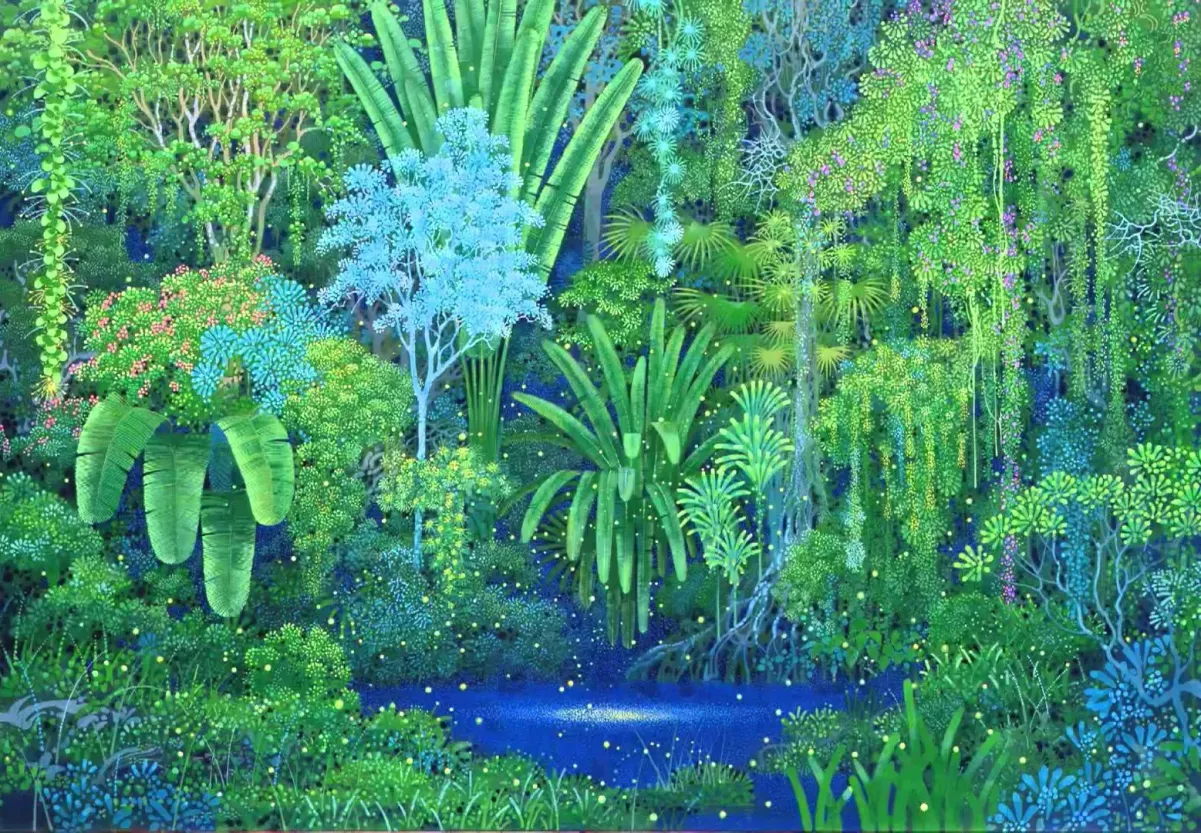
- Hiroo Isono, Spring is in Full Bloom
- The same image side by side demonstrating color accuracy issues on the limited available work on the internet
- © Hiroo Isono
Light phenomena such as rainbows and mist appear often in Isono’s work. One recurring motif is beams of light entering the forest. I don’t know his intended meaning, but they read to me as a stylized form of “god rays”—a natural visual effect that occurs when light passes through narrow openings into darker spaces, such as sunlight breaking through a tree canopy. The result is a visible cone of light, an effect that is inherently cinematic.
Isono handles this motif in distinctive ways. The beams are often highly geometric, lighting sharply at the point of contact like a spotlight and catching the movement of mist in the air. He frequently introduces rich, saturated color that heightens the transparency of both the beam and the fog. In some cases, these beams appear as halo-like elements around animals, which gives the effect a symbolic weight, like a blessing from the forest itself.
Chroma
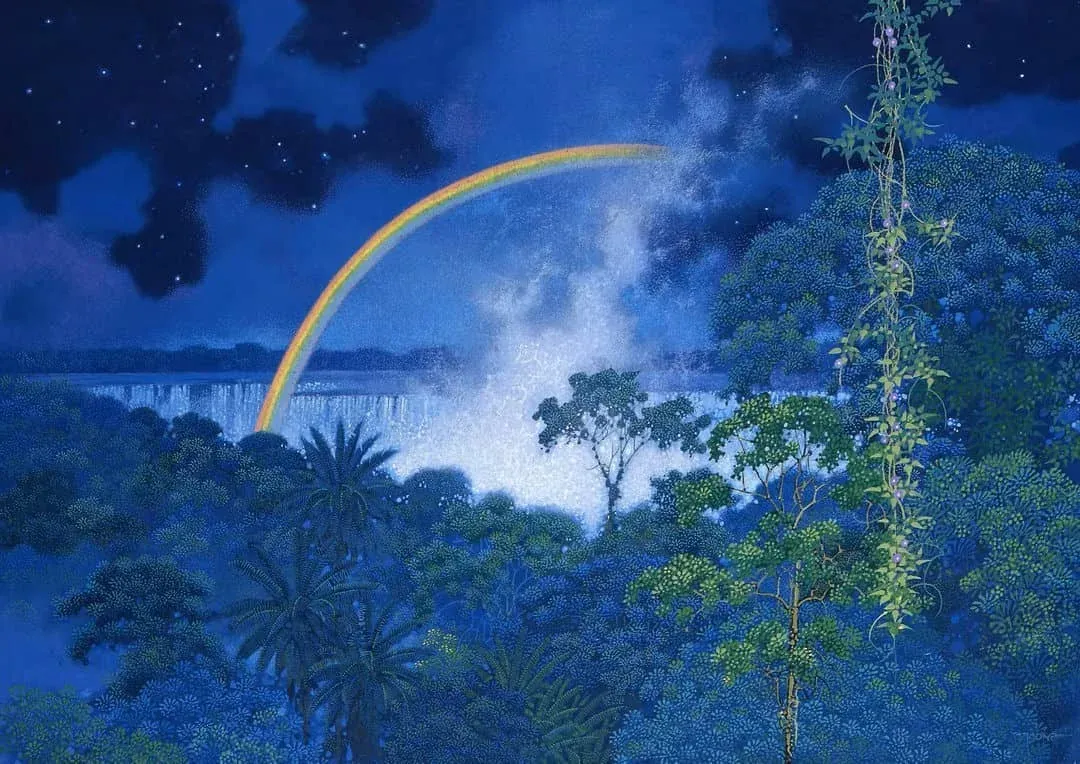
- Hiroo Isono, Unknown Title
- Depicts chromatic unification used to show atmospheric compression from distance and fog
- © Hiroo Isono
I use the word chroma to discuss color as a processing layer, similar to Photoshop curves or levels, used to adjust unification, contrast, or color compression. This is distinct from a broader or more general discussion of color. This is a personal term I’m coining here, and it requires explanation to be understood. In production terms, it’s closer to post-process coloration.
Isono uses chroma effects extensively, often flattening scenes into highly unified, high-contrast palettes. He applies this to a number of natural visual phenomena, such as low-light conditions—moonlit landscapes in particular—as well as fog.
Time of Day
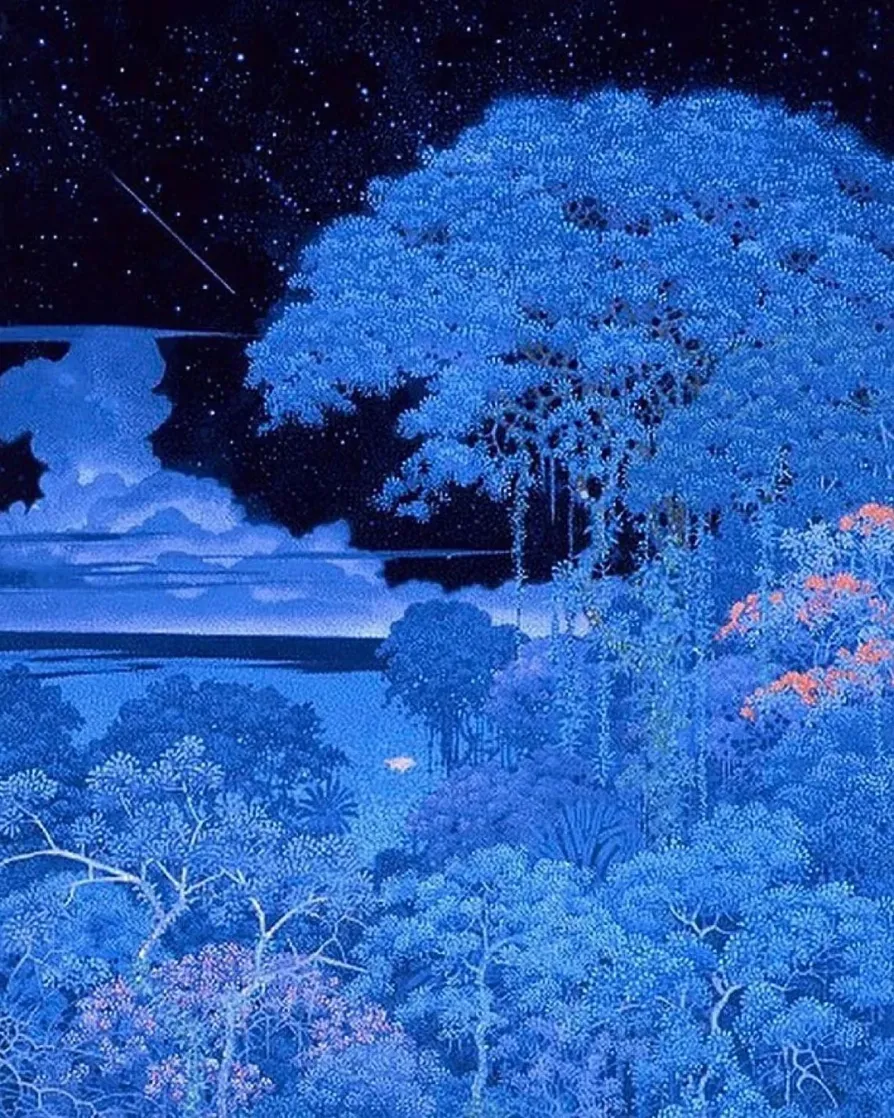
- Hiroo Isono, Unknown Title
- Depicts chromatic unification used to show atmospheric compression from distance and fog
- © Hiroo Isono
For night scenes, he often employs an almost entirely blue palette set against a black, star-filled sky. Rivers in this mode reflect the same sky, creating an almost surreal effect, as if the rivers are portals into space cutting through the land.
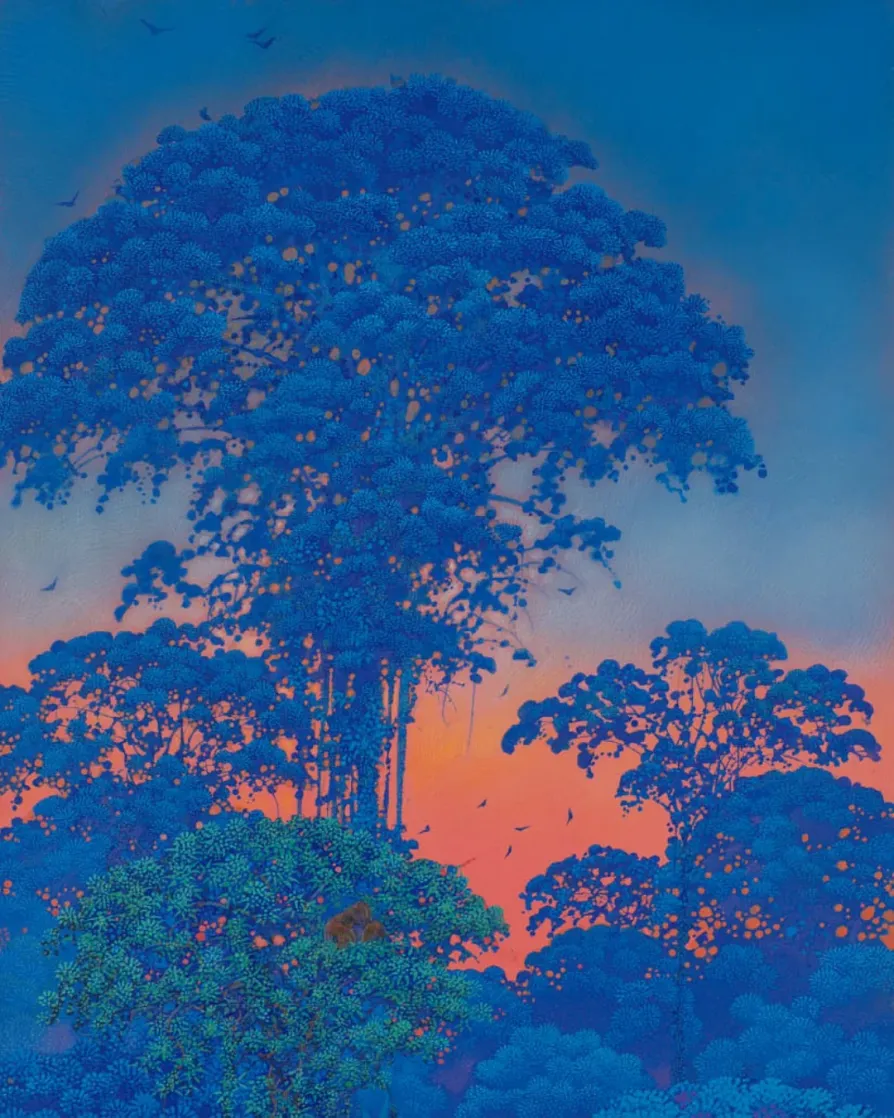
- Hiroo Isono, Unknown Title
- Depicts chromatic unification used to show atmospheric compression from distance and fog
- © Hiroo Isono
Twilight is handled similarly to night, but here he allows the trees to shift in and out of color unification as they recede into the distance, reflecting the liminal change of light across the landscape. He sometimes lets the light of the horizon radiate around the silhouettes of trees.
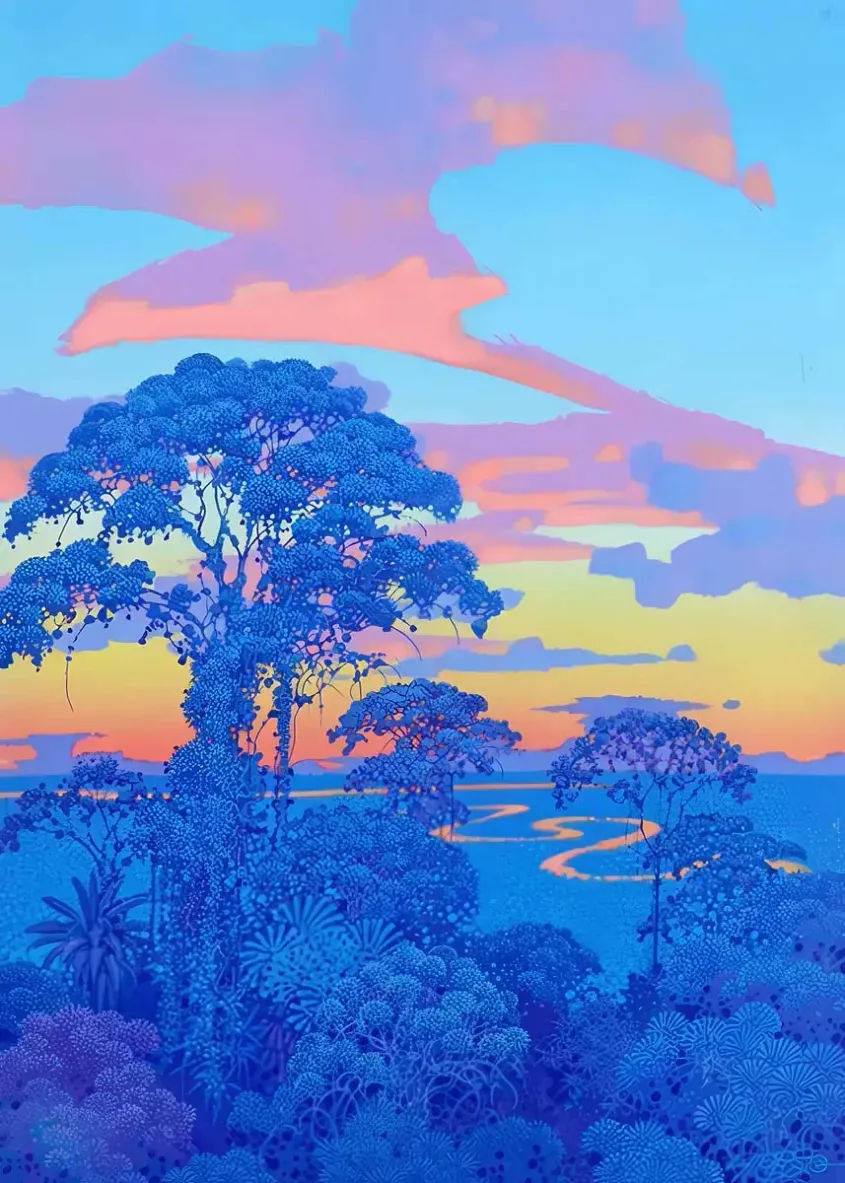
- Hiroo Isono, Unknown Title
- Depicts chromatic unification used to show atmospheric compression from distance and fog
- © Hiroo Isono
As an illustrator working around the 1980s, I’d argue this sunset palette was something of a rite of passage for landscape artists. This subject matter and time of day offer particular insight into the light phenomena Isono was considering.
Depth & Fog
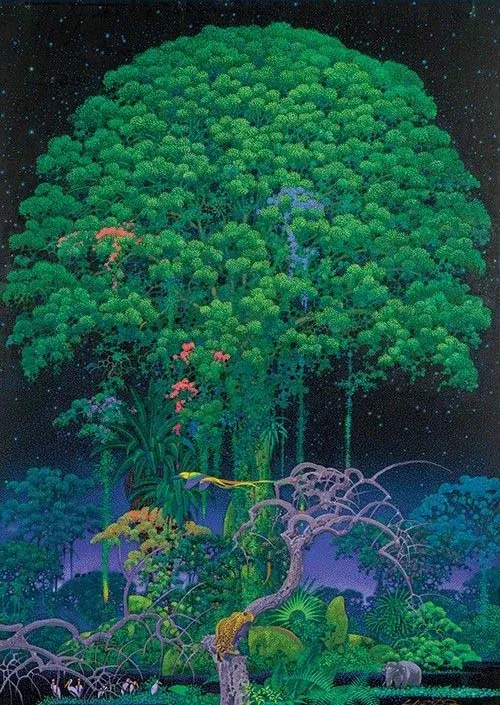
- Hiroo Isono, Unknown Title
- Depicts chromatic unification used to show atmospheric compression from distance and fog
- © Hiroo Isono
Depth and fog are achieved using a similar chromatic compression of color. This approach allows him to suggest expansive space without relying on linear perspective, especially in works that operate in a more abstract or flattened dimensionality.
Historic Similarties
There are many signs in Isono's work that he is referencing and incorporating deliberate methods or periods in art history into his work. As a painter/illustrator hybrid this does make sense as illustration is focused more on the visual language of the piece over self expression.
By the time Isono was educated and active, Japan’s deeply established art history formed the foundation of his education, alongside Western painting traditions which had become fully institutionalized into schools, museums, and publications. Contemporary cultural movements were also part of this, from modern design to highly influential events like Expo ’70 in Osaka.
Jōmon Sugi & Impressionism
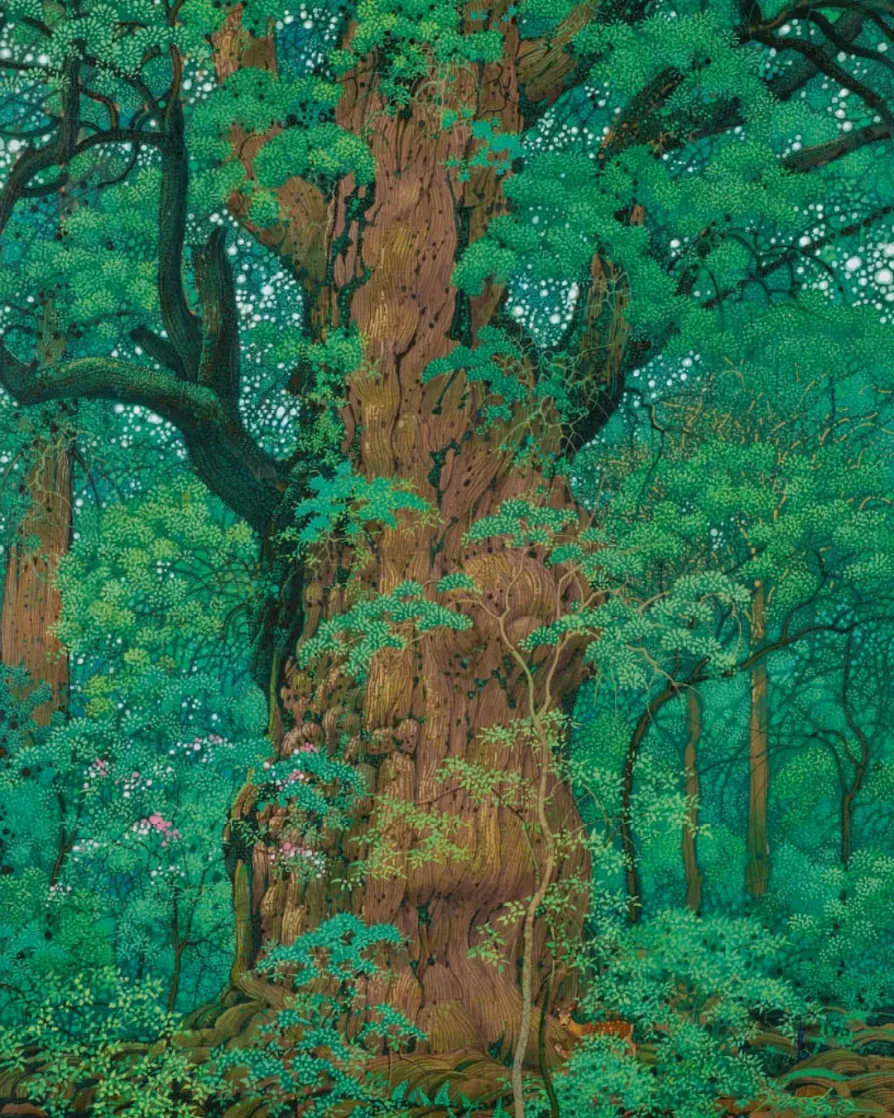
- Hiroo Isono
- Likely to be a painting of the Jōmon Sugi tree
- © Hiroo Isono
When I look at the Jōmon Sugi, familiar categories like Impressionism start to feel insufficient. The tree’s age and scale make it feel alien, it's bark in reality is whimsical, and swirls as if formed by post-impressionist strokes. Perhaps, the Sugo Cedar can not be painted naturalistically, especially by someone like Isono who was so moved by it, and so attuned to nature.
Dot Impressionism
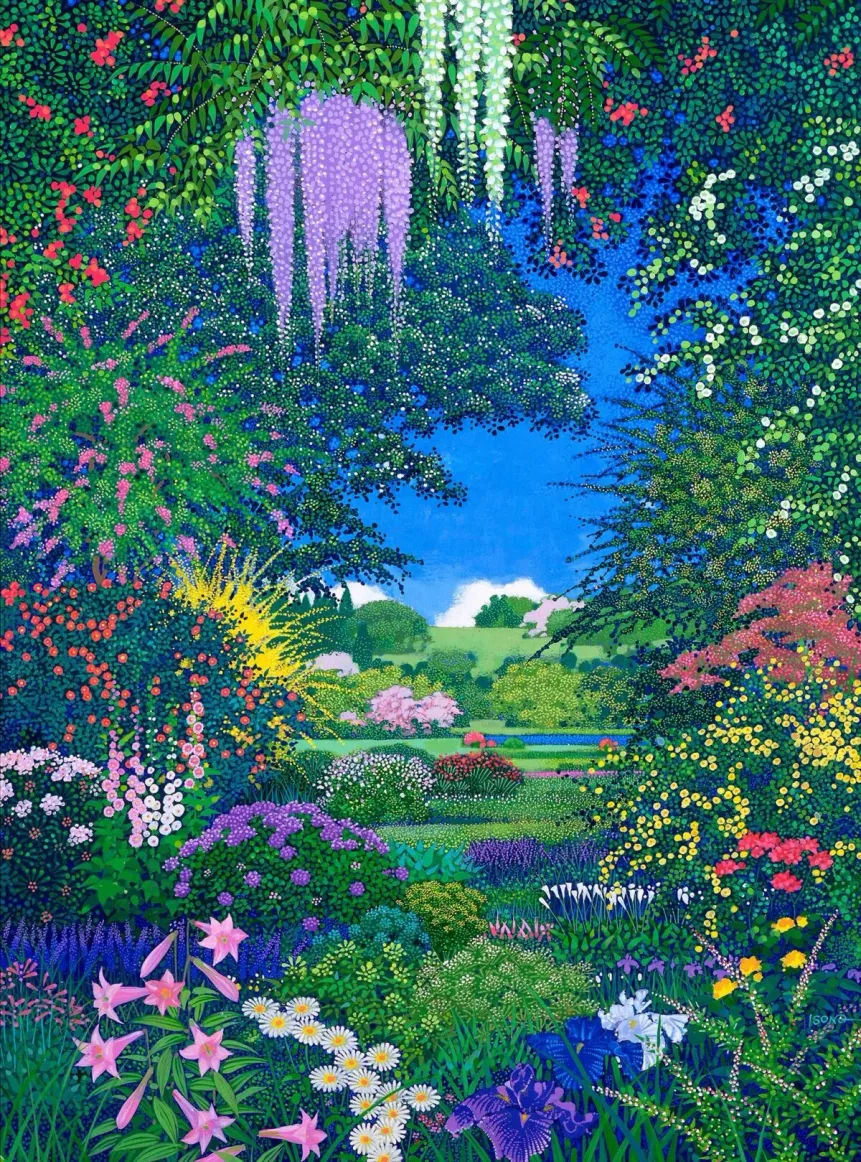
- Hiroo Isono, Spring is in Full Bloom
- The same image side by side demonstrating color accuracy issues on the limited available work on the internet
- © Hiroo Isono
The image above uses a technique of colored dots laid over darker tones. Isono uses this to define the three-dimensional structure of flowers, berries, and leaves. He often mixes this approach with a more painterly handling; however, there are areas—such as portions of the sky—where the dot motif continues. This isn’t a stippling effect used for shading; it’s an intentional element of the composition.
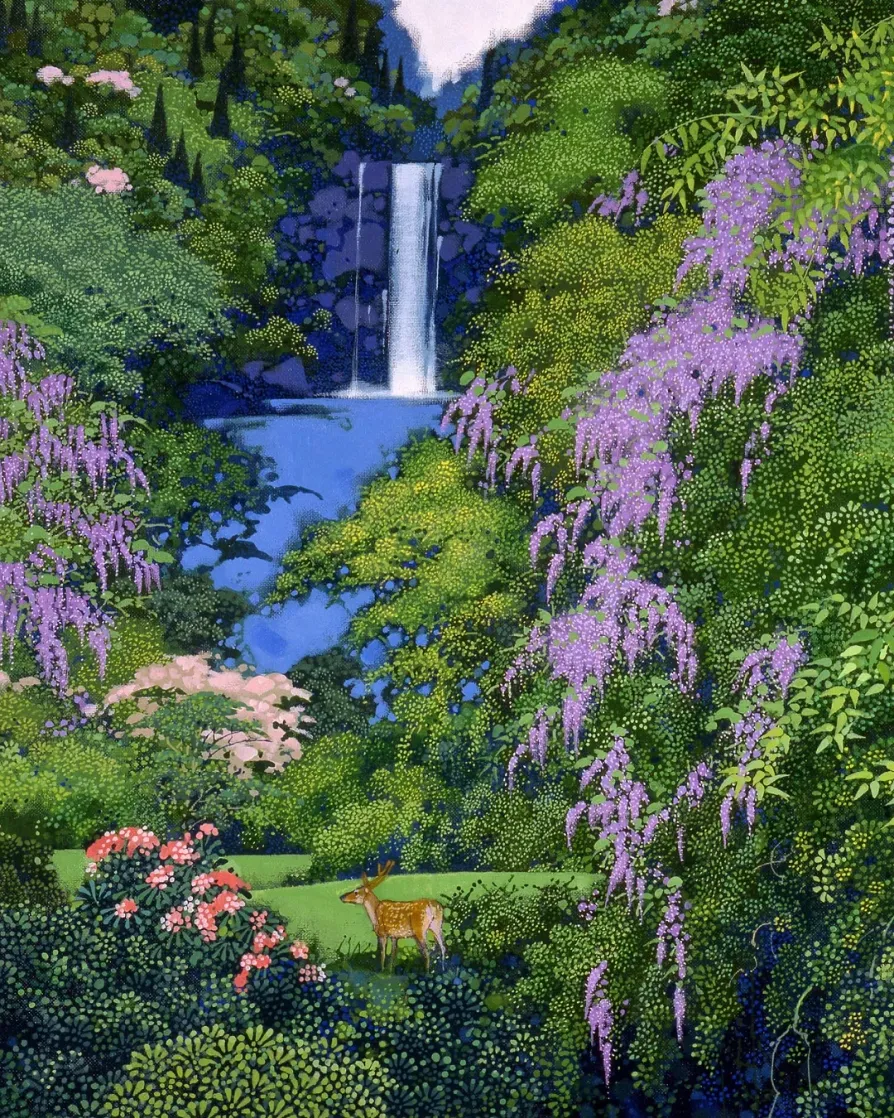
- Hiroo Isono, Unknown Title
- The same image side by side demonstrating color accuracy issues on the limited available work on the internet
- © Hiroo Isono
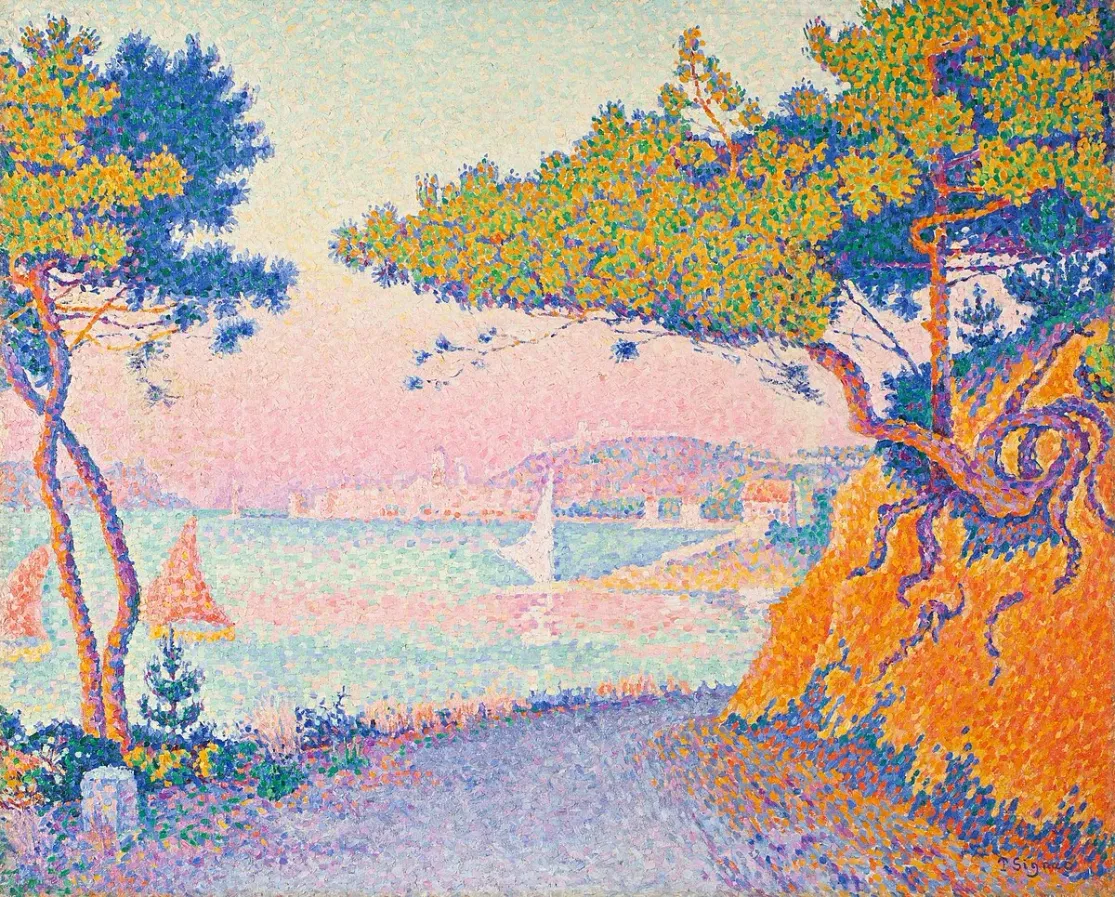
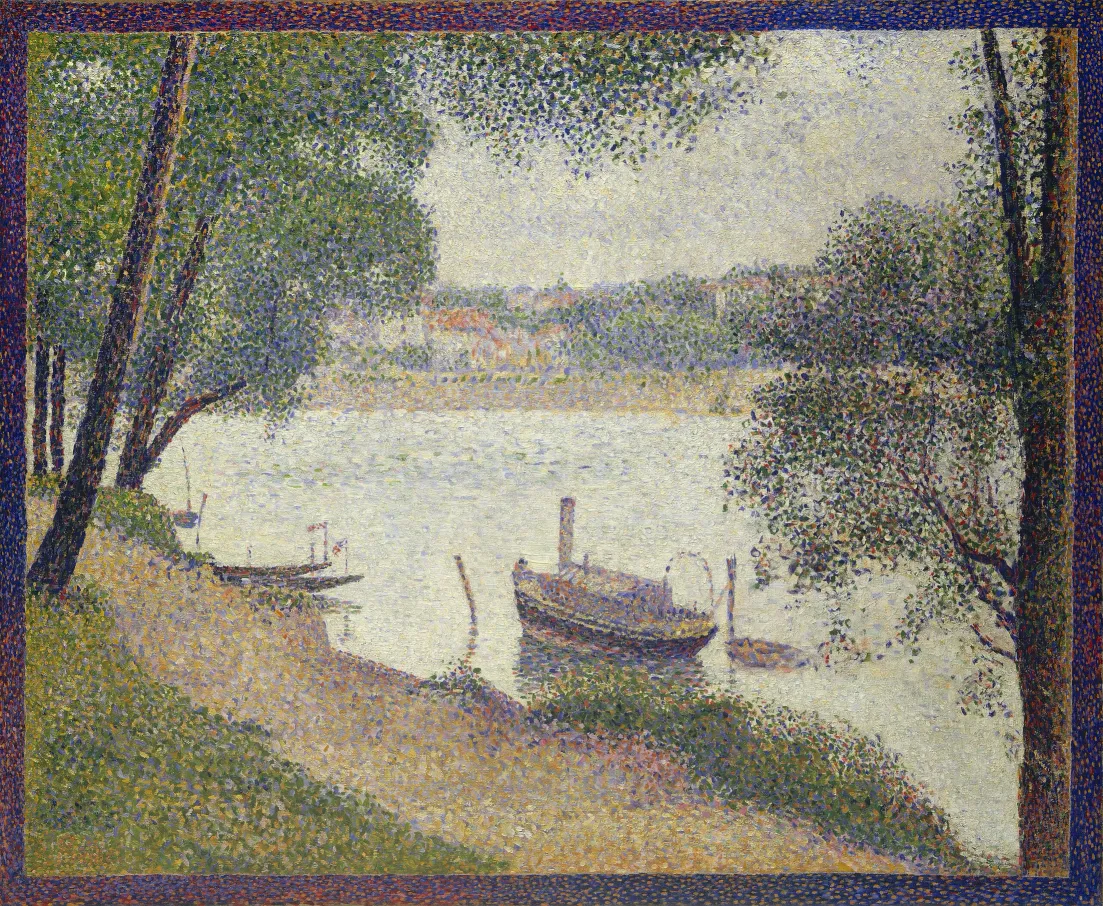
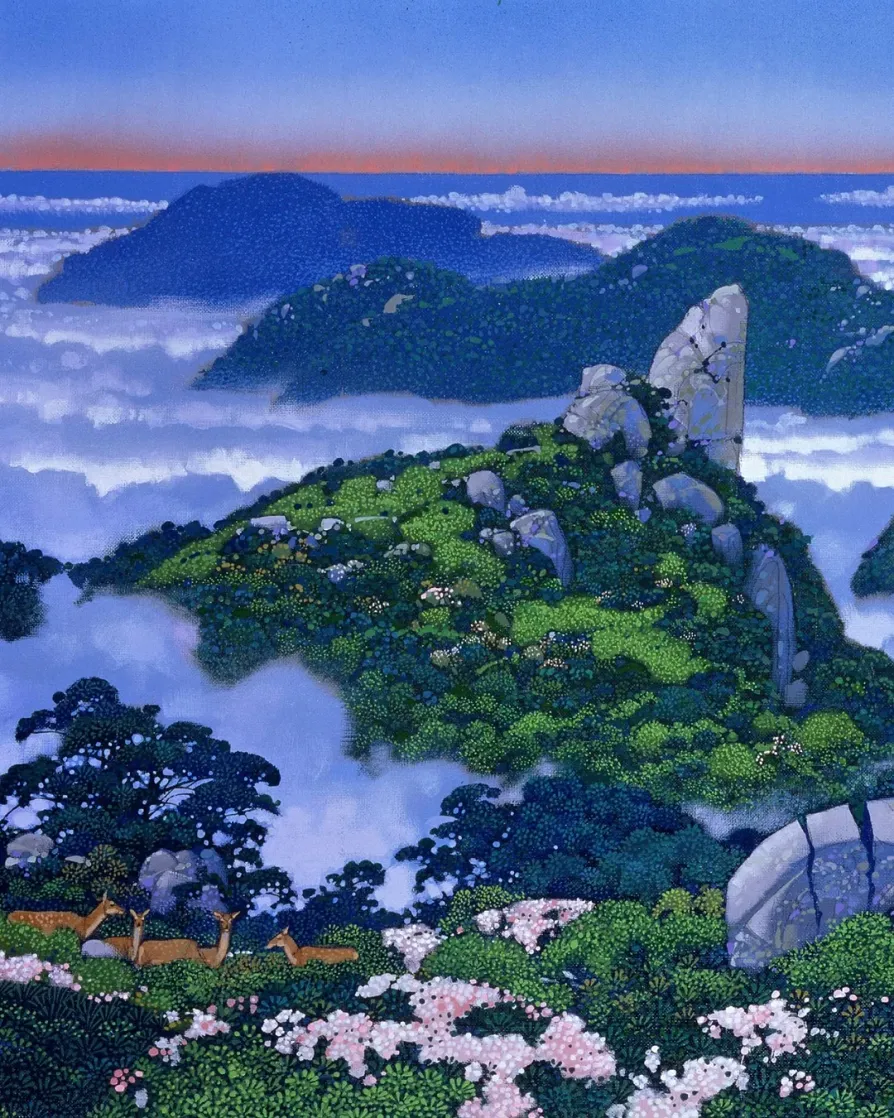
I use the term Dot Impressionism to describe this, with the caveat that it is reminiscent of Pointillist artists. Pointillism, however, is a scholarly and complex term that carries a lot of nuanced criteria. I use Dot Impressionism to distinguish this approach.
- Hiroo Isono, Spring is in Full Bloom
- The same image side by side demonstrating color accuracy issues on the limited available work on the internet
- © Hiroo Isono
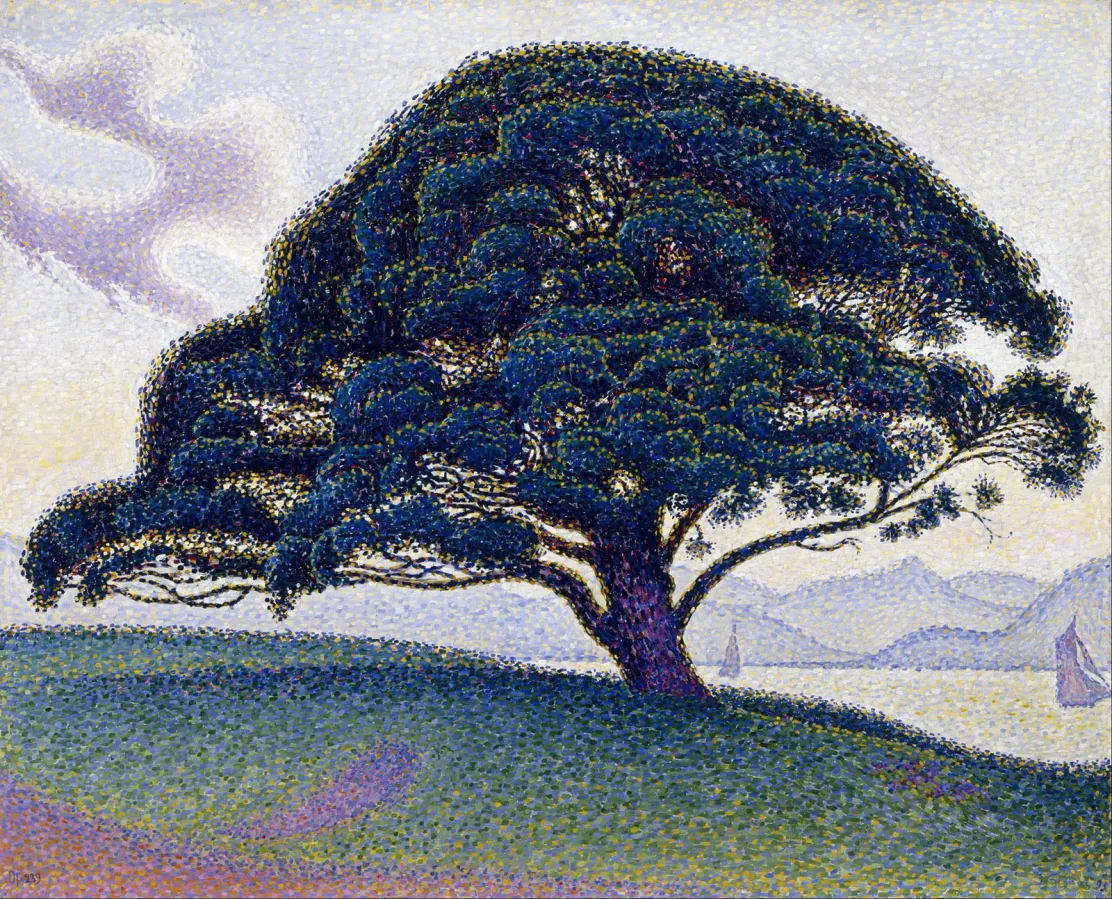
When using this technique, Isono’s work reminds me of artists like Paul Signac, a Pointillist known for a looser interpretation of the style.
- Hiroo Isono, Unknown Title
- The same image side by side demonstrating color accuracy issues on the limited available work on the internet
- © Hiroo Isono
To go further, I compare Isono with a more orthodox interpretation of Pointillism, such as Georges Seurat. There are surface-level textural similarities, but in the stricter definition, adjacent dots are used to create optical color blending—similar to how a CMYK printer works. By contrast, Isono’s dots are the exact intended color.
- Hiroo Isono, Overlooking Paradise
- The same image side by side demonstrating color accuracy issues on the limited available work on the internet
- © Hiroo Isono
This piece also uses Dot Impressionism and serves as a strong synthesis of several major aspects of Isono’s work. A chromatic unification conveys the liminal time of day while receding the landscape into fog. Horizontal bands of light cut across the piece, for the clouds it's painterly, and for foliage it's dot-based.
- Hiroo Isono, Unknown Title
- The same image side by side demonstrating color accuracy issues on the limited available work on the internet
- © Hiroo Isono
I found this final comparison to The Bonaventure Pine by Paul Signac interesting, as it reveals several parallel ideas and some striking visual similarities.
Cloisonnism
- Hiroo Isono, Unknown Title
- The same image side by side demonstrating color accuracy issues on the limited available work on the internet
- © Hiroo Isono
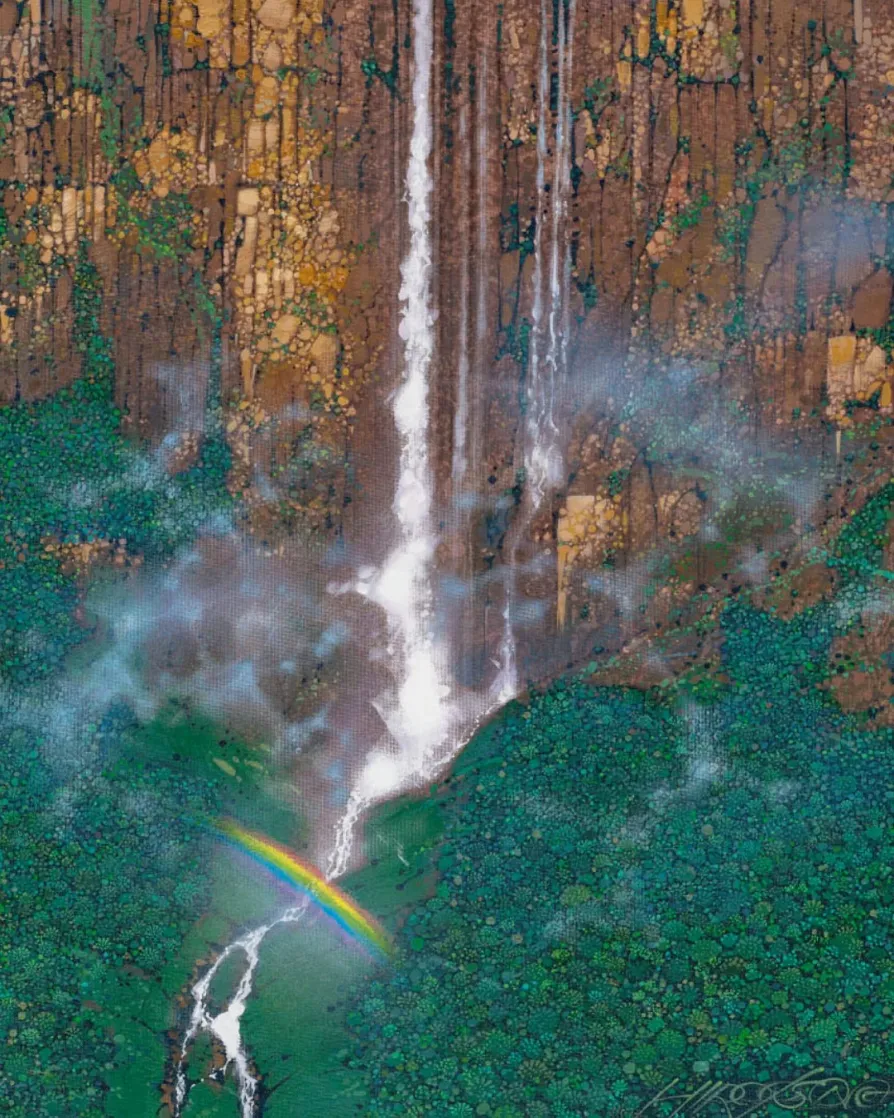
In the image above, the cliff face and foliage are organized into compartments of color with outlines around them. This recalls a Post-Impressionist approach, notably seen in artists like Vincent van Gogh or Paul Gauguin, who often worked with blocks of color held together by soft boundaries.
This approach is classically referred to as Cloisonnism, a Post-Impressionist style where areas of color are grouped by contained edges rather than tonal modeling. Isono’s application feels like a deliberate reference to this period, functioning as a stylistic homage.
- Hiroo Isono, Unknown Title
- The same image side by side demonstrating color accuracy issues on the limited available work on the internet
- © Hiroo Isono
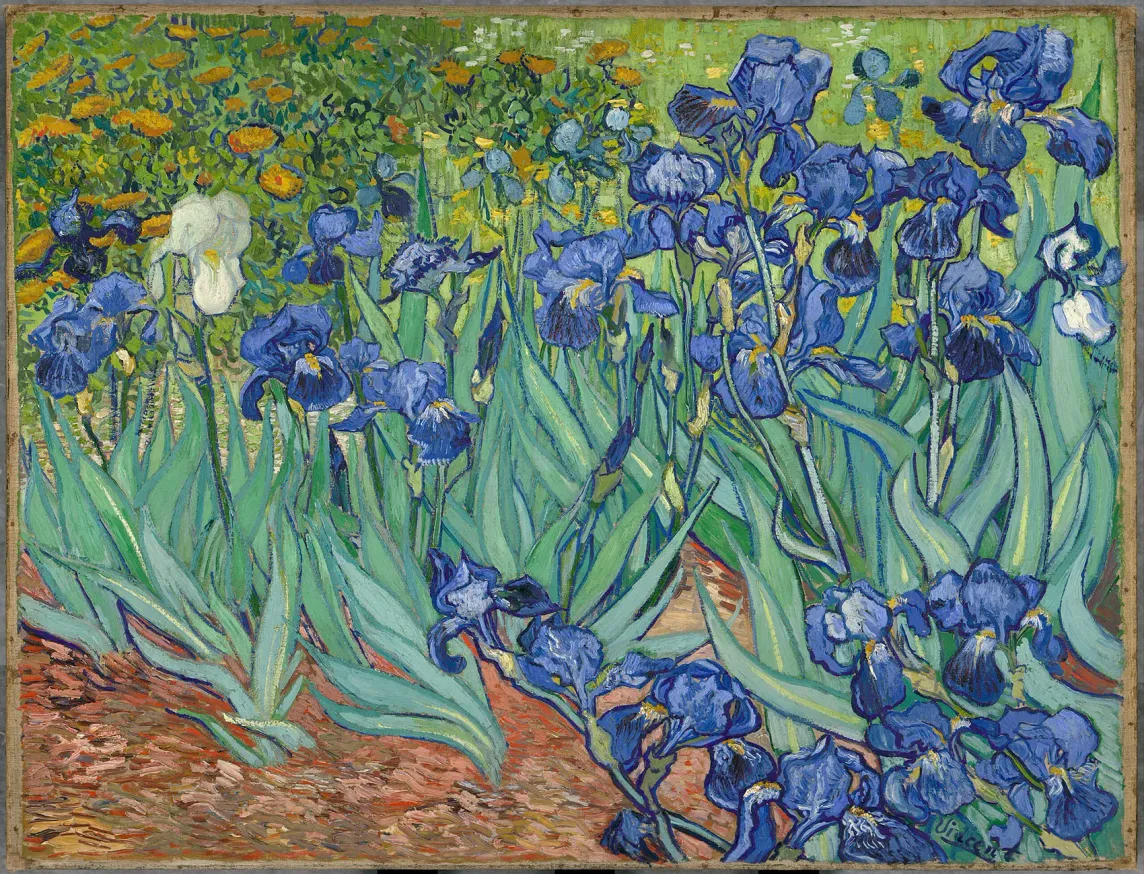
Irises by Vincent van Gogh is an excellent comparison for this approach as it's an iconic representation.
It appears that Isono’s palette shifts when he works in this mode. The greens become lighter and more mint-toned, the blues subdued and airy, and the browns softened into warm, earthy neutrals. The palette moves closer to the colors popularized at the height of Post-Impressionism.
- Hiroo Isono, Unknown Title
- The same image side by side demonstrating color accuracy issues on the limited available work on the internet
- © Hiroo Isono
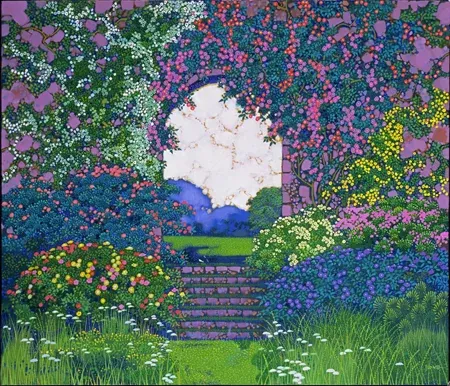
Another example brings together many of the concepts discussed, including Cloisonnism. His dot-like approach is used for berries and flowers, set against a darker background color approaching black. This further reinforces the outlined, cloisonnist feel, which carries through the stone wall as well. The overall palette remains colorful but soft.
Naturalism
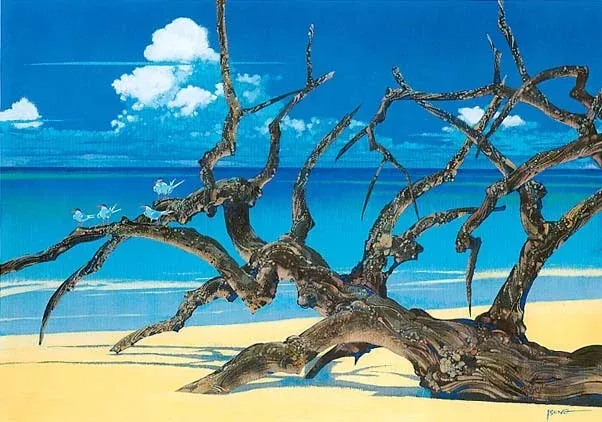
- Hiroo Isono, Unknown Title
- The same image side by side demonstrating color accuracy issues on the limited available work on the internet
- © Hiroo Isono
Much of Isono’s work operates in a deliberately flattened space, but at times he works in a very naturalistic mode, much closer to photorealism. When he does, the subject matter tends to vary more widely. This leads me to believe that his forest methods are a personal aesthetic he continually pursues rather than a limiting style.
I find him to be a very diverse painter—not overtly so, since many of his works share similar themes—but he often surprises me with demonstrations of mastery across different styles, which he moves between from piece to piece.
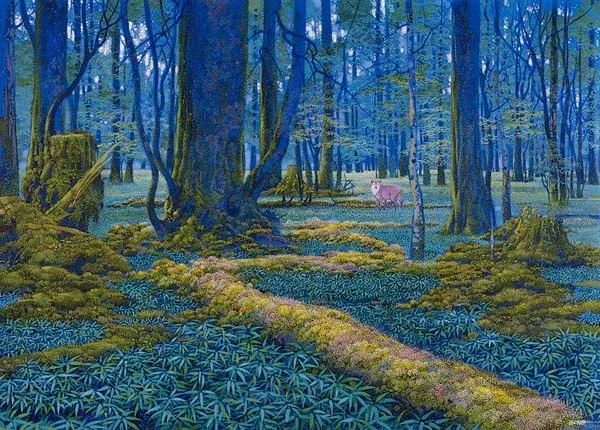
- Hiroo Isono, Unknown Title
- The same image side by side demonstrating color accuracy issues on the limited available work on the internet
- © Hiroo Isono
I would theorize that emotional intent may guide these choices. Some works feel strongly vertical, as if he wants the viewer to experience awe at the height of the forest. At other times, he emphasizes depth instead, showing rows of trunks stretching back as far as the eye can see.
Expo 70' Osaka
Expo ’70 in Osaka marks an important moment in Japanese and Asian visual culture. It presented a version of futurism centered on technological optimism, systems design, and public-facing architecture. Unlike Western futurism, which often emphasized speed, disruption, or industrial dominance, Expo ’70 framed technology as cooperative and civic—integrated with daily life, landscape planning, and human scale.
Its architectural language popularized geometric forms, megastructures, and symbolic design that circulated widely through illustration, architecture, and mass media in the decades that followed. This cultural backdrop helps explain the futurist elements that appear throughout Isono’s work.
Futurism
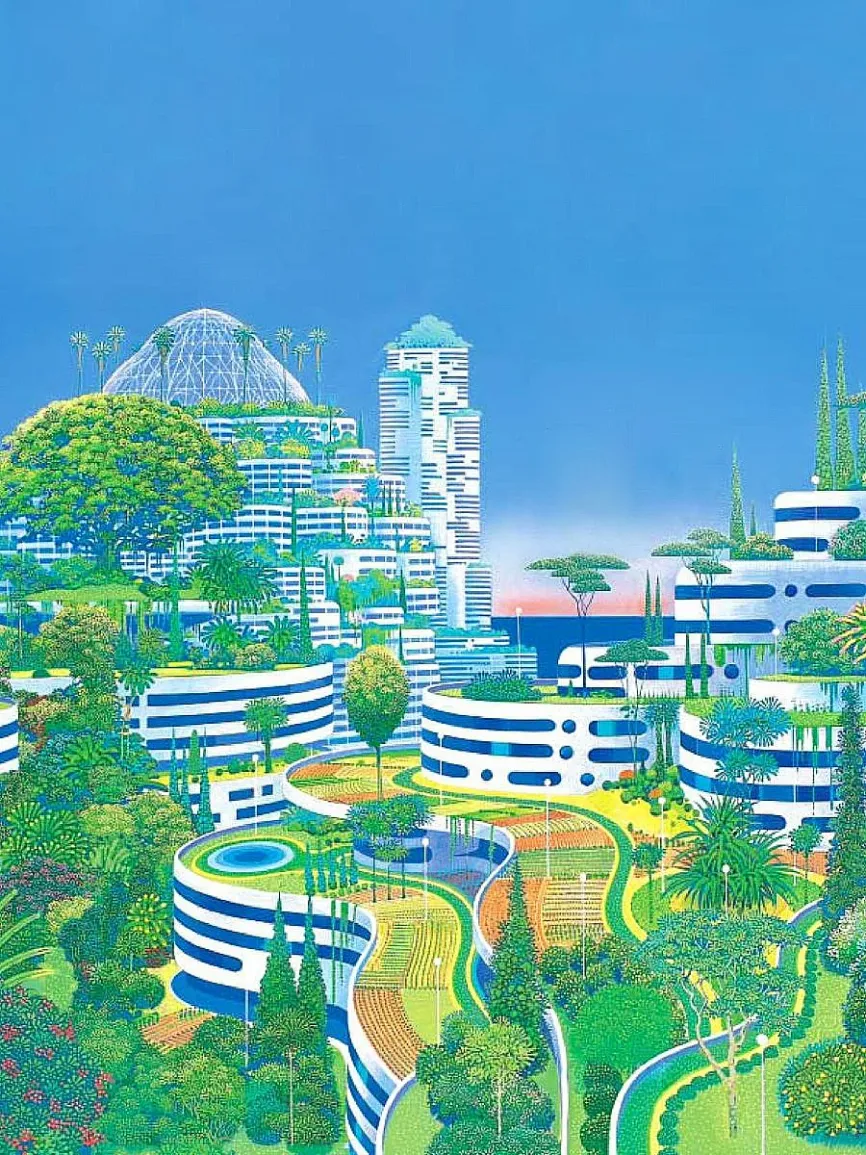
- Hiroo Isono, Unknown Title
- Depicts chromatic unification used to show atmospheric compression from distance and fog
- © Hiroo Isono
One consistent branch of Isono’s work engages with futurism, particularly through modernist and forward-looking architectural imagery. He has expressed concern for conservation and the future of forests, and while he has worked on projects related to this, his more critical imagery often centers on deforestation.
Notably, his future cities are almost always bright and harmonious with nature. Rather than depicting technological dominance, his architectural imagery presents progress as something integrated with the natural world. His futurism aligns with a distinctly Japanese modern outlook—shaped by postwar reconstruction, environmental awareness, and long-term coexistence.
Modernism
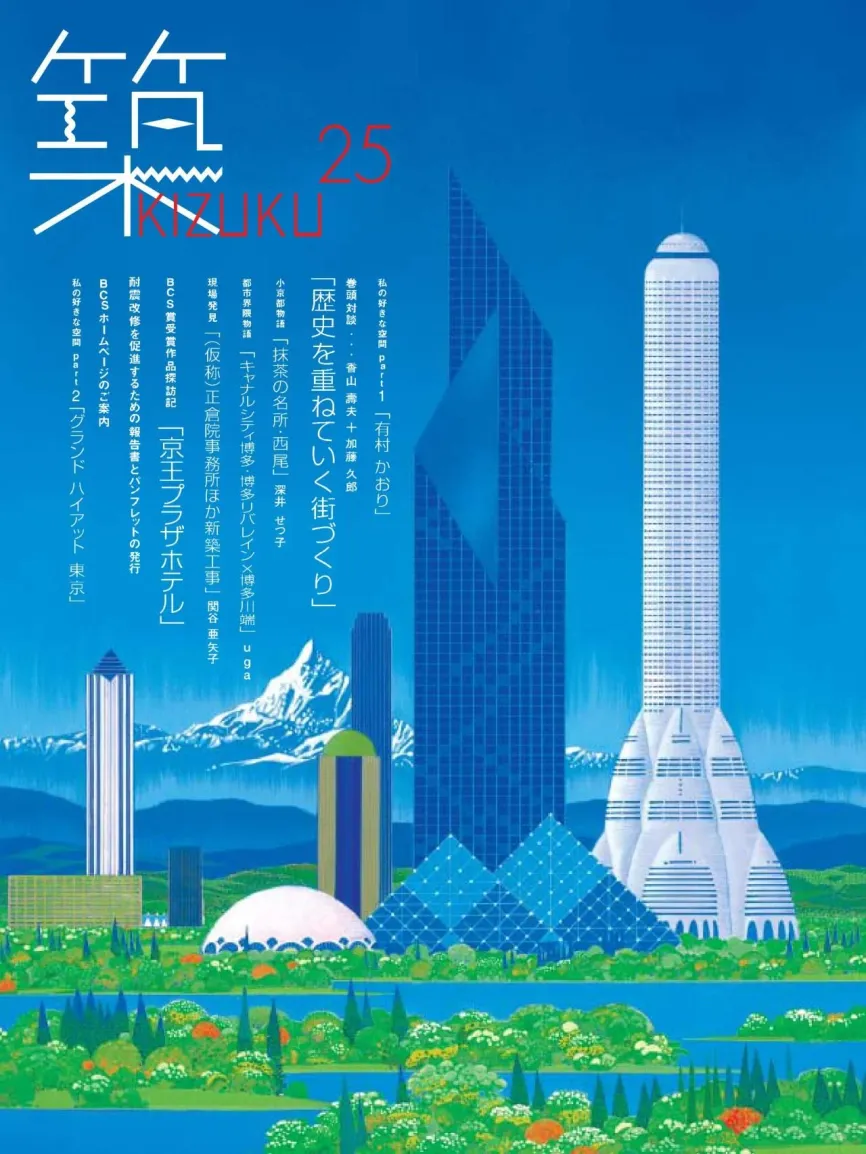
- Hiroo Isono, Unknown Title
- Depicts chromatic unification used to show atmospheric compression from distance and fog
- © Hiroo Isono
At times, Isono adopts a distinctly modernist visual language, most clearly in architectural subjects but occasionally within forest scenes as well. In these works, organic forms give way to precise geometry, flatter planes of color, and sharply defined edges.
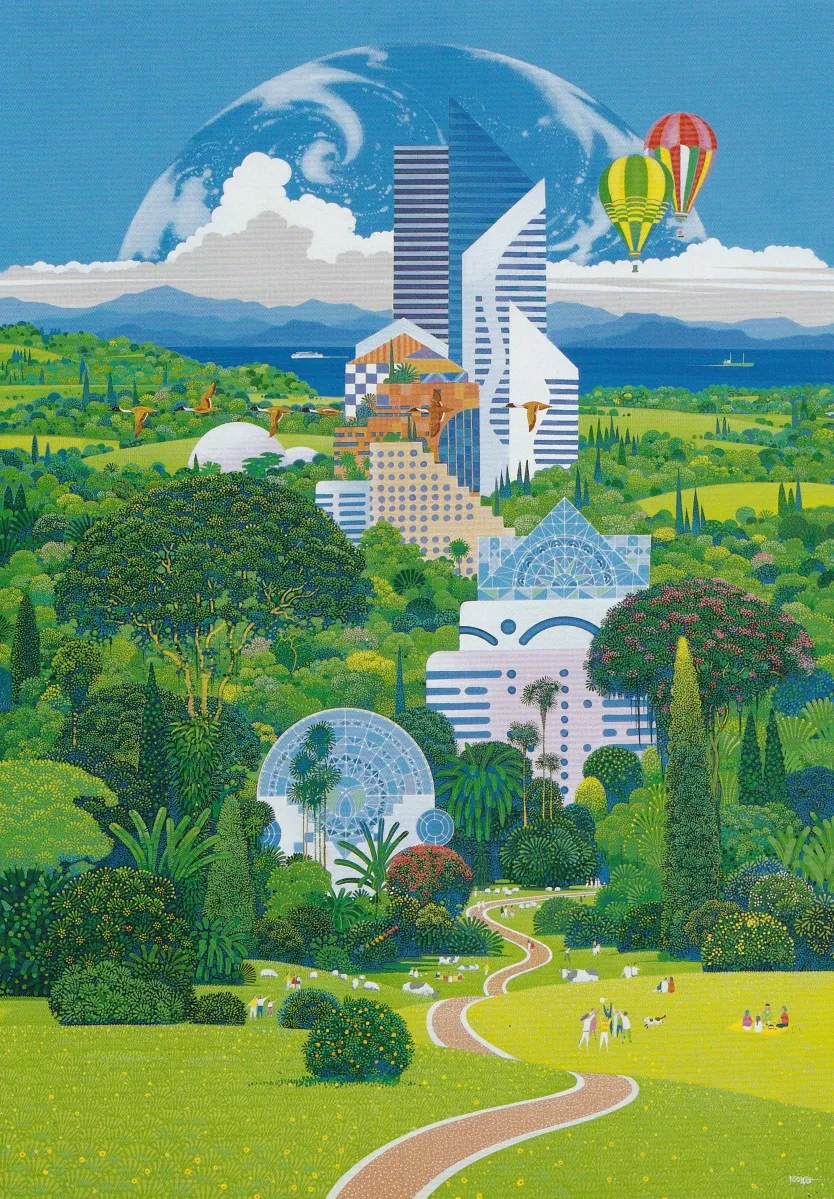
- Hiroo Isono, Unknown Title
- Depicts chromatic unification used to show atmospheric compression from distance and fog
- © Hiroo Isono
This approach aligns with currents found in Japanese Modernism and postwar graphic design, which were highly influential during the period in which Isono was working. For an illustrator, familiarity with these movements would have been essential. Even so, Isono’s modernism remains unorthodox, shaped by his personal vision rather than strict adherence to any single movement.
Decorative Modernism
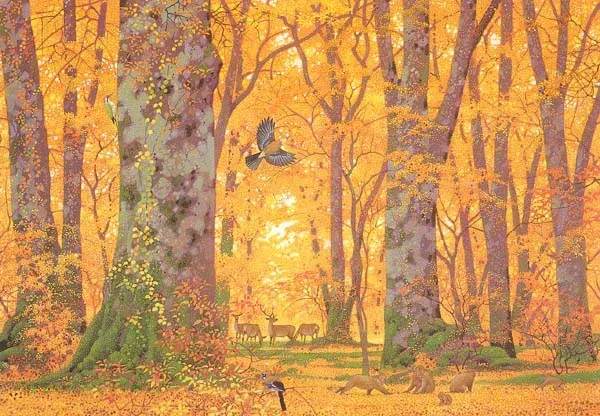
- Hiroo Isono, Unknown Title
- Depicts chromatic unification used to show atmospheric compression from distance and fog
- © Hiroo Isono
Decorative modernism was especially popular in the 1960s and influenced many major creative forces, including animation studios and commercial design. It combines modernist shapes with embellishment and playful decoration, bending formal rules in whimsical ways.
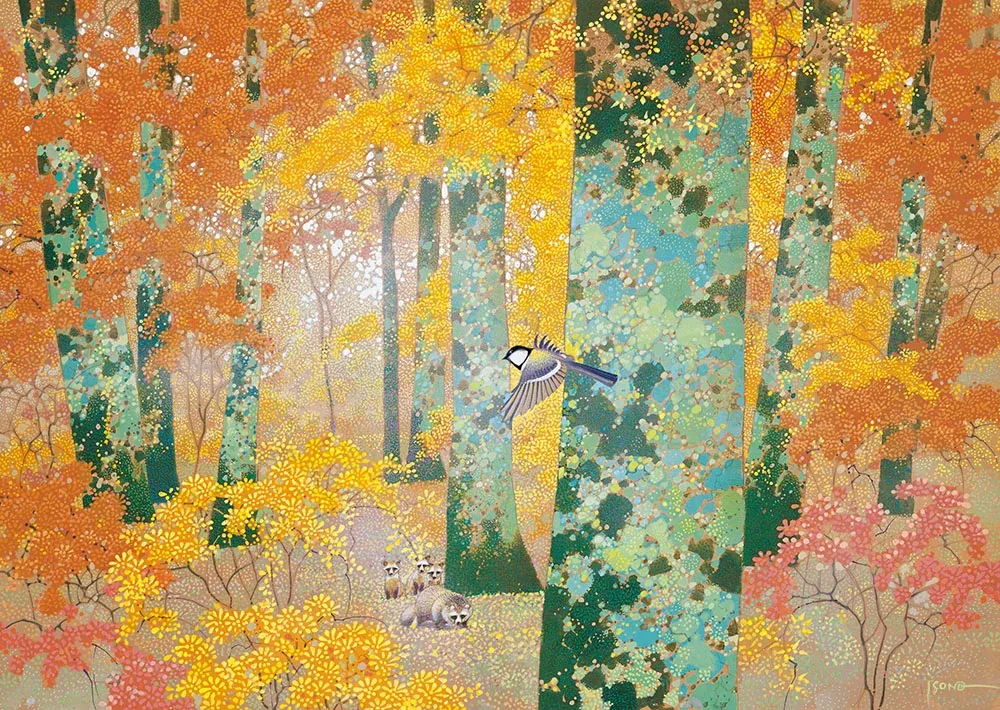
- Hiroo Isono, Unknown Title
- Depicts chromatic unification used to show atmospheric compression from distance and fog
- © Hiroo Isono
Surrealism
- Hiroo Isono, Spring is in Full Bloom
- The same image side by side demonstrating color accuracy issues on the limited available work on the internet
- © Hiroo Isono
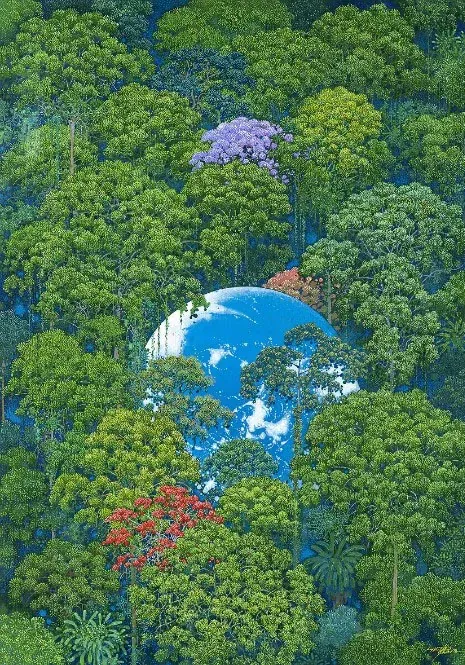
As with every movement Isono touches on, it’s never the pure movement. It’s always that movement plus Isono. His use of perspective often reads as surreal to me, and he includes objects and symbols that feel mythic, cosmological, or even fantastical. I group these together as surreal elements within his forests—less as narrative devices and more as visual symbolism layered onto the landscape.
Unusual presenences will appear directly within the forest. In this case, a planet-like sphere sits embedded among the trees. I can’t speculate on its meaning. It could suggest a force, an element, or some kind of spirit.
- Hiroo Isono, Unknown Title
- The same image side by side demonstrating color accuracy issues on the limited available work on the internet
- © Hiroo Isono
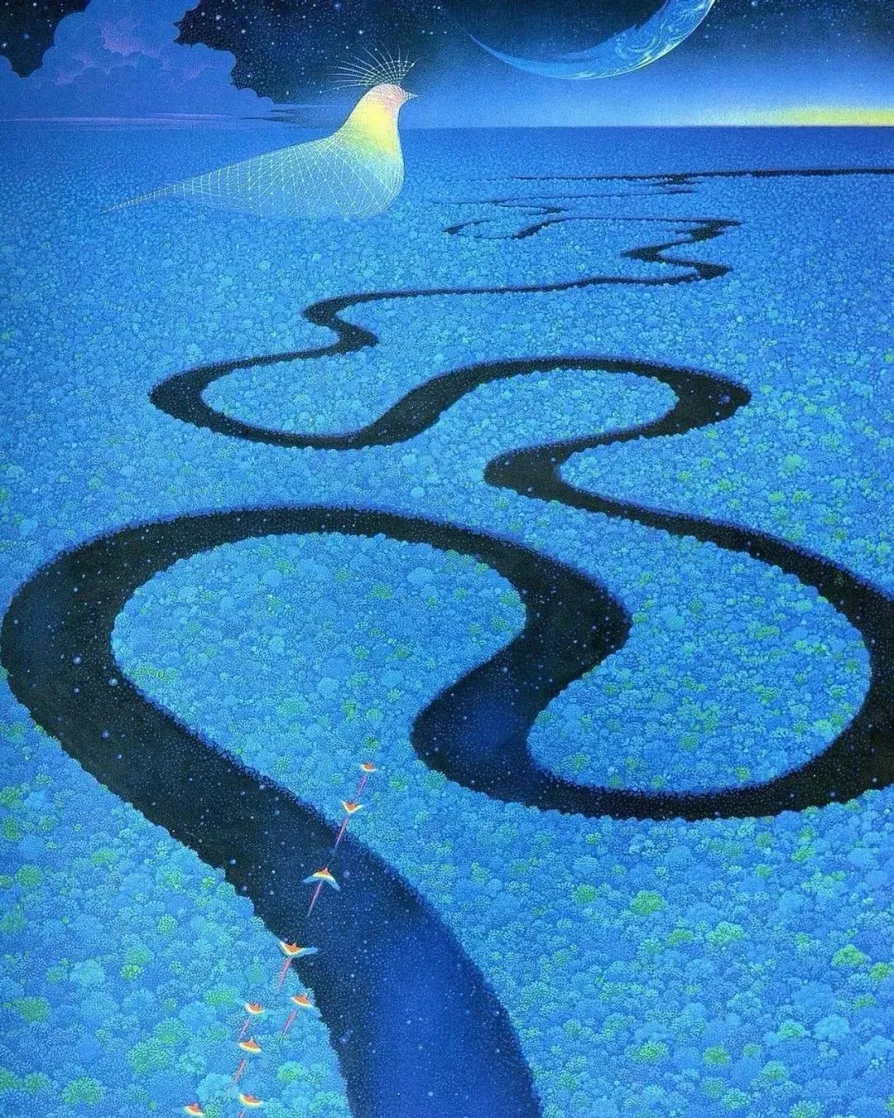
This piece contains several unusual qualities. The landscape is flat and endless. The moon is enormous. The river reflects the sky perfectly, reading like a portal into space. A giant bird sits within the forest, rendered with geometric, topological lines that emphasize technological structure. His familiar procession of birds moves across the sky as well. It’s an intriguing image, iconically Isono.
- Hiroo Isono, Unknown Title
- The same image side by side demonstrating color accuracy issues on the limited available work on the internet
- © Hiroo Isono
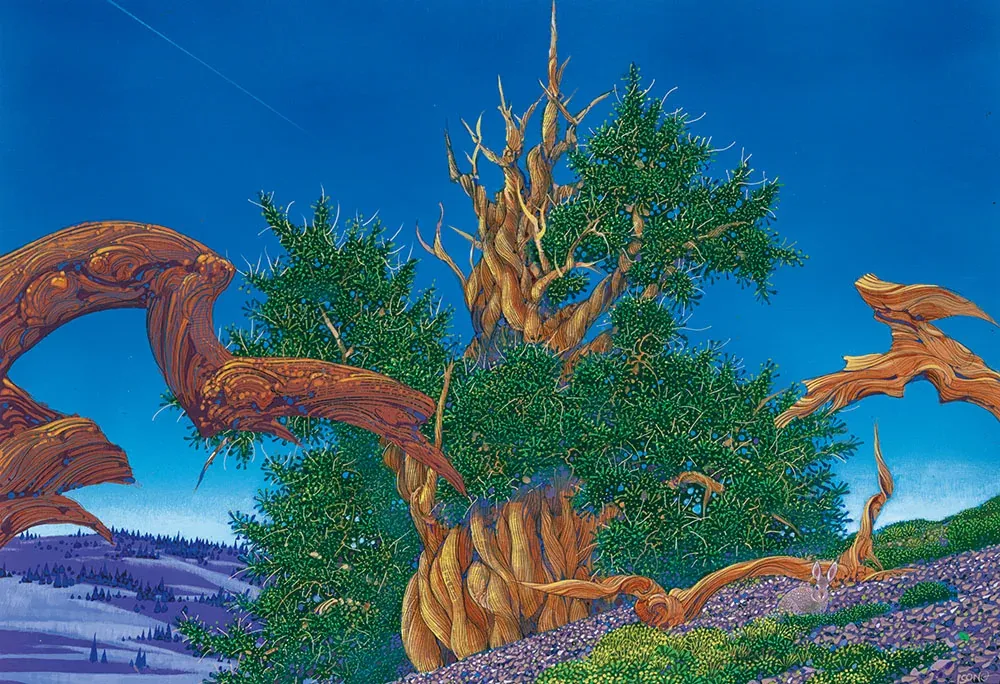
Naturalistic forms also often contribute to a dream-like feeling. Their shapes and bark patterns feel exaggerated, almost impossible in their arrangement, reinforcing the sense that this is not a literal forest but one shaped by perception and imagination.
Synthesis
- Hiroo Isono, Unknown Title
- The same image side by side demonstrating color accuracy issues on the limited available work on the internet
- © Hiroo Isono
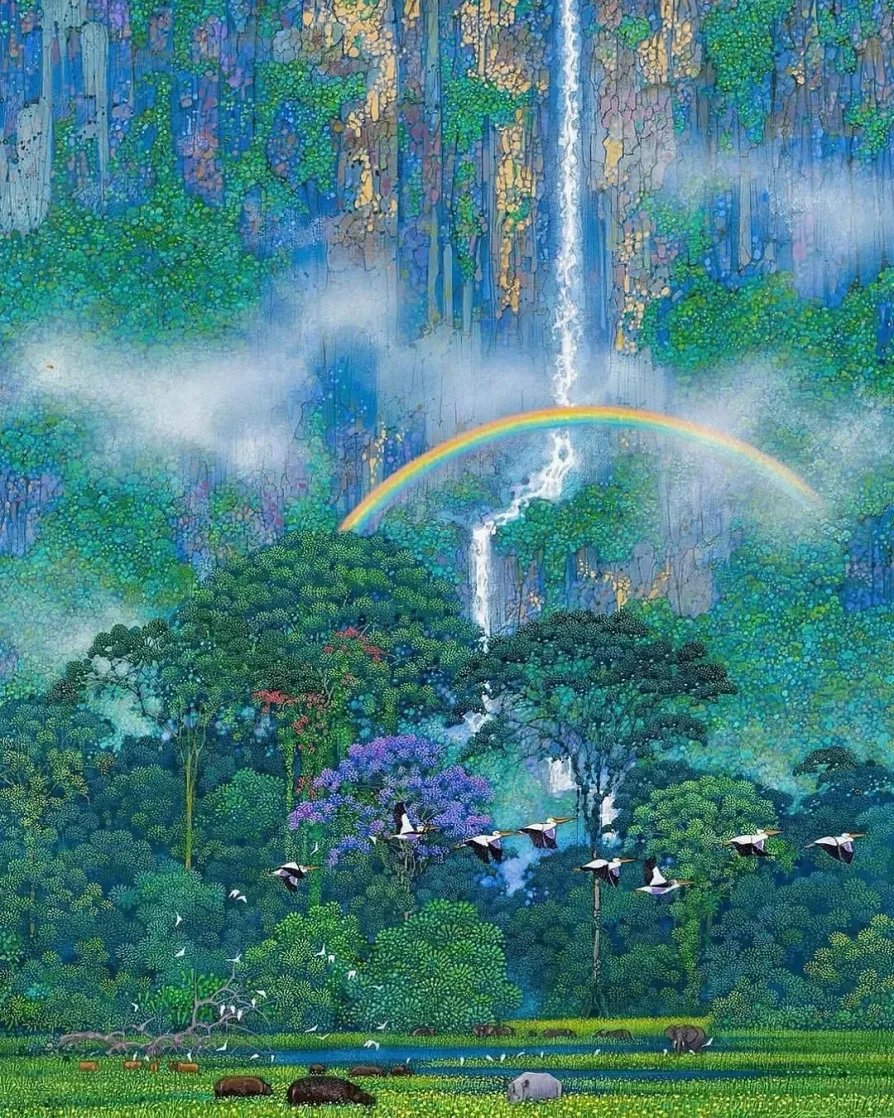
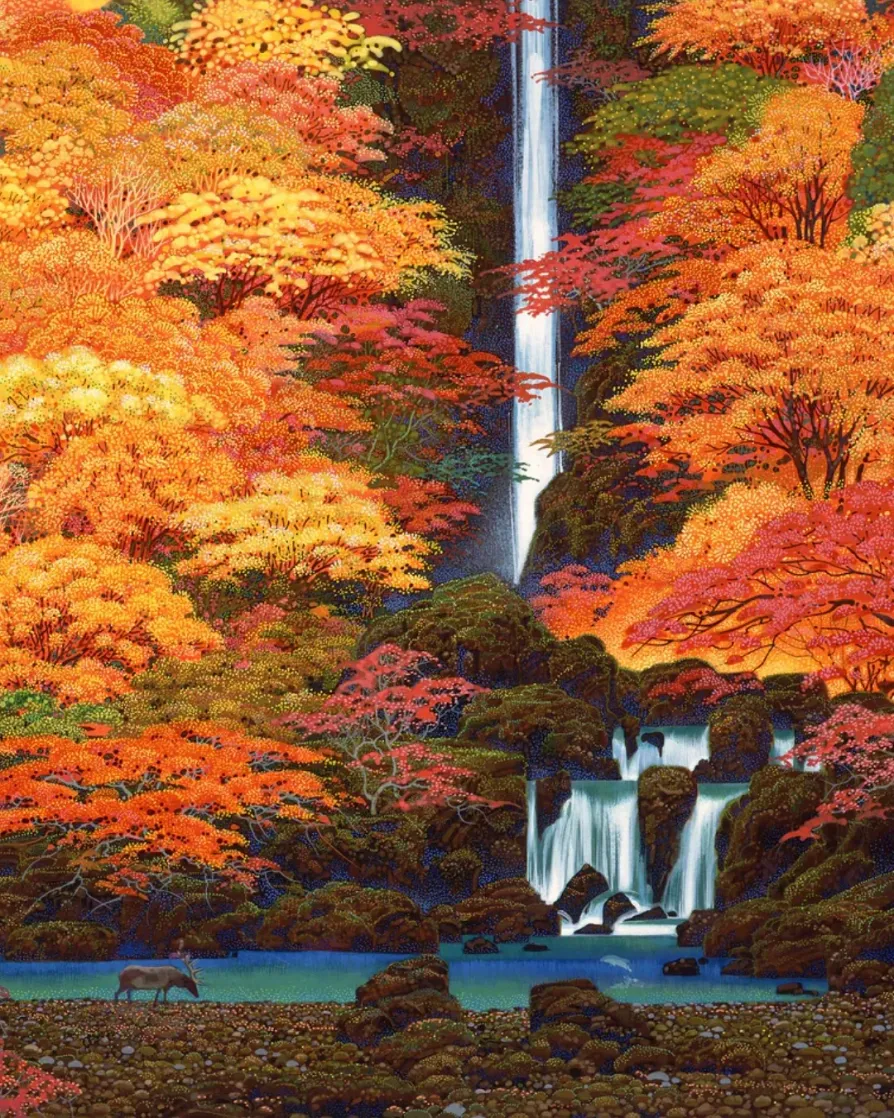
I will showcase a few works here which show a synthetis of the observations I made through out this article.
- Hiroo Isono, Unknown Title
- The same image side by side demonstrating color accuracy issues on the limited available work on the internet
- © Hiroo Isono
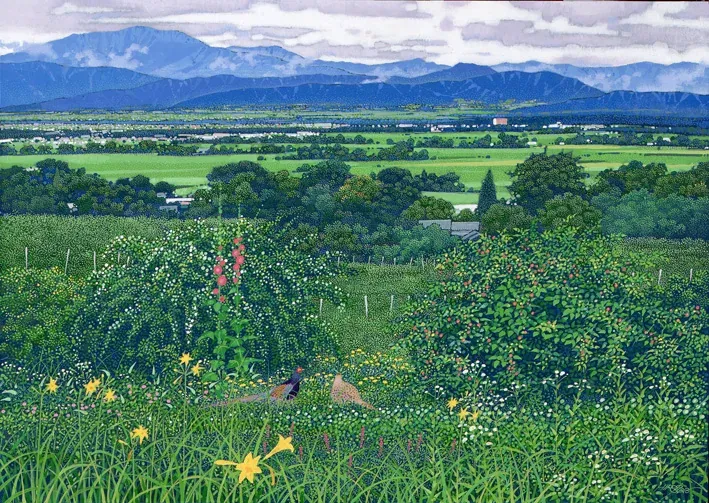
- Hiroo Isono, Unknown Title
- The same image side by side demonstrating color accuracy issues on the limited available work on the internet
- © Hiroo Isono
Exhibitions
In 2014, a posthumous exhibition of Hiroo Isono’s work was held at the Furukawa Art Museum, titled Eternal Forest (永遠の森). The exhibition presented a concentrated view of his lifelong engagement with nature.
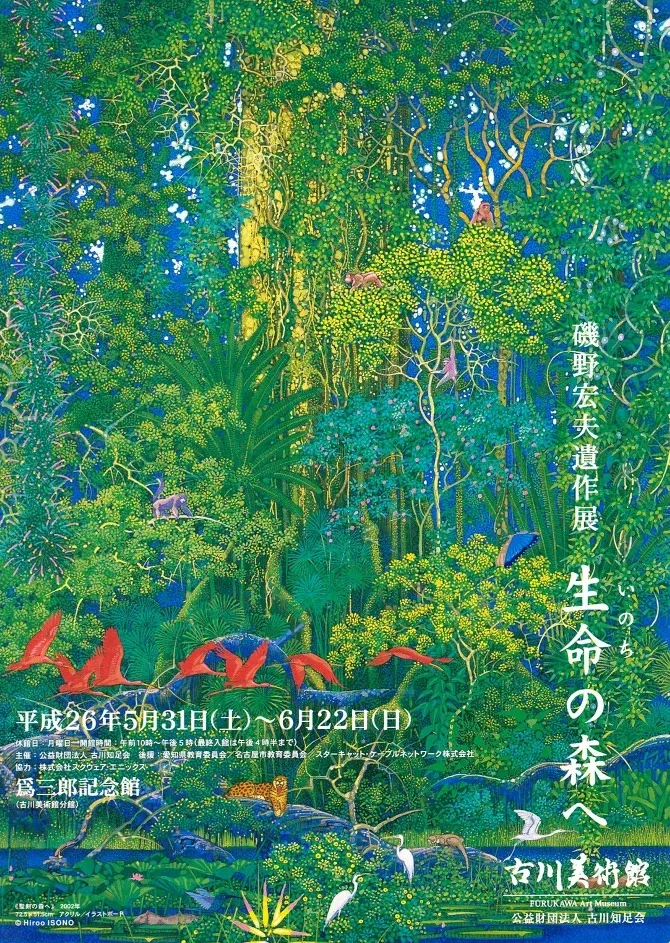
- Hiroo Isono, Eternal Forest (永遠の森)
- Poster for the posthumous exhibition Hiroo Isono Memorial Works Exhibition, Furukawa Art Museum (Annex), Nagoya, Japan, May 31 – June 22, 2014.
- © Hiroo Isono / Furukawa Art Museum.
Isono's work was featured in numerous gallery exhibitions as well, and continues to be shown today.
Illustration
In 2014, a posthumous exhibition of Hiroo Isono’s work was held at the Furukawa Art Museum, titled Eternal Forest (永遠の森). The exhibition presented a concentrated view of his lifelong engagement with nature.
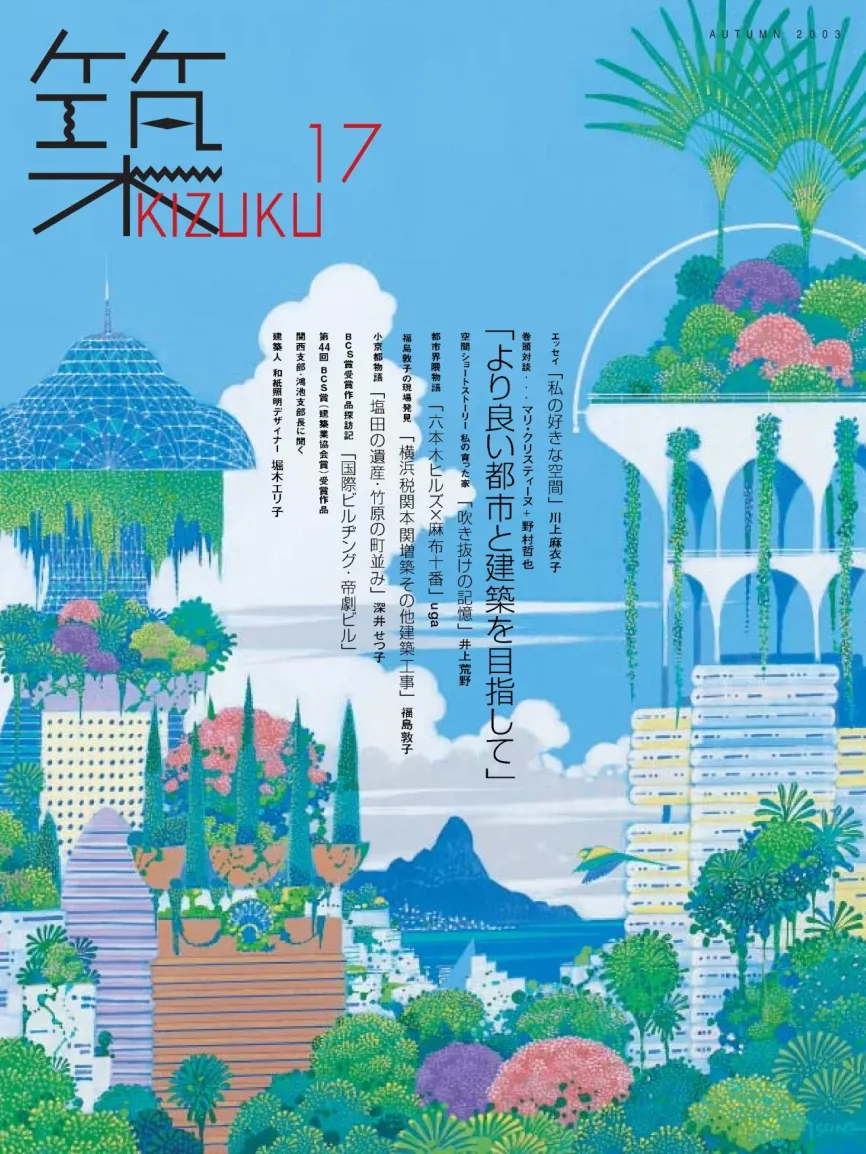
- Hiroo Isono, Eternal Forest (永遠の森)
- Poster for the posthumous exhibition Hiroo Isono Memorial Works Exhibition, Furukawa Art Museum (Annex), Nagoya, Japan, May 31 – June 22, 2014.
- © Hiroo Isono / Furukawa Art Museum.
Isono's work was featured in numerous gallery exhibitions as well, and continues to be shown today.
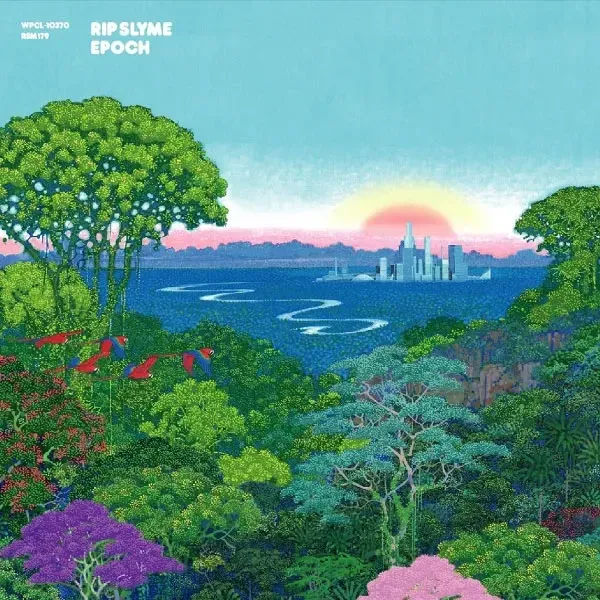
- Hiroo Isono, Eternal Forest (永遠の森)
- Poster for the posthumous exhibition Hiroo Isono Memorial Works Exhibition, Furukawa Art Museum (Annex), Nagoya, Japan, May 31 – June 22, 2014.
- © Hiroo Isono / Furukawa Art Museum.
He also contributed illustration for the covers of many musical albums.
Publications
A small number of published art books account for the majority of Hiroo Isono’s known standalone artwork. Titles such as Emerald Green and Emerald Forest (both released in 1996), Shining Forest (a postcard collection released in 2000), and Emerald Dream (released in 2003) collectively appear to contain a substantial portion of his painted work outside of production contexts. These are considered self published by Isono. These publications are extremely difficult to obtain in the West. A majority of Isono's work is in these books so we can only see a small portion of his career at this time.
Isono’s work also appears in The Art of Mana, published by Square Enix, where his contributions are given prominent placement. His artwork is featured on the cover, and the book opens with a dedicated section titled Seiken Densetsu: Art of Mana – Special Gallery. This section includes several of his key paintings for the series.
Game Visual Art | Seiken Densetsu (Mana)
The early 1990s marked a formative moment for video games as a visual medium. Advances in 16-bit hardware expanded color depth, musical range, and environmental detail, allowing studios to move beyond purely functional graphics toward cohesive visual identities. In this context, Square stood apart. Their releases were comparatively rare—particularly in Western markets—but consistently demonstrated a strong commitment to visual identity, musical sophistication, and thematic cohesion.
Hiroo Isono became involved with the Seiken Densetsu (Mana) series, one of Square’s main properties at the time. While the full scope of his responsibilities remains unclear, he contributed many of the franchise’s most iconic illustrations, and the world's visual style is essentially Isono's painting style.ly the environment all of Isied to his distinct style.
Square was widely regarded as a prestigious studio during this period, known for the consistency and quality of its output. To be repeatedly entrusted with a major property speaks to a sustained level of confidence. Square’s continued return to Isono suggests long-term trust and a belief that his visual language was integral to the series’ identity rather than interchangeable with a broader house style.
At the time, each of Square’s major franchises was associated with a defining artist. Final Fantasy had Yoshitaka Amano, and Chrono Trigger had Akira Toriyama. In this sense, Isono can be regarded as fulfilling a comparable role for the Mana franchise.
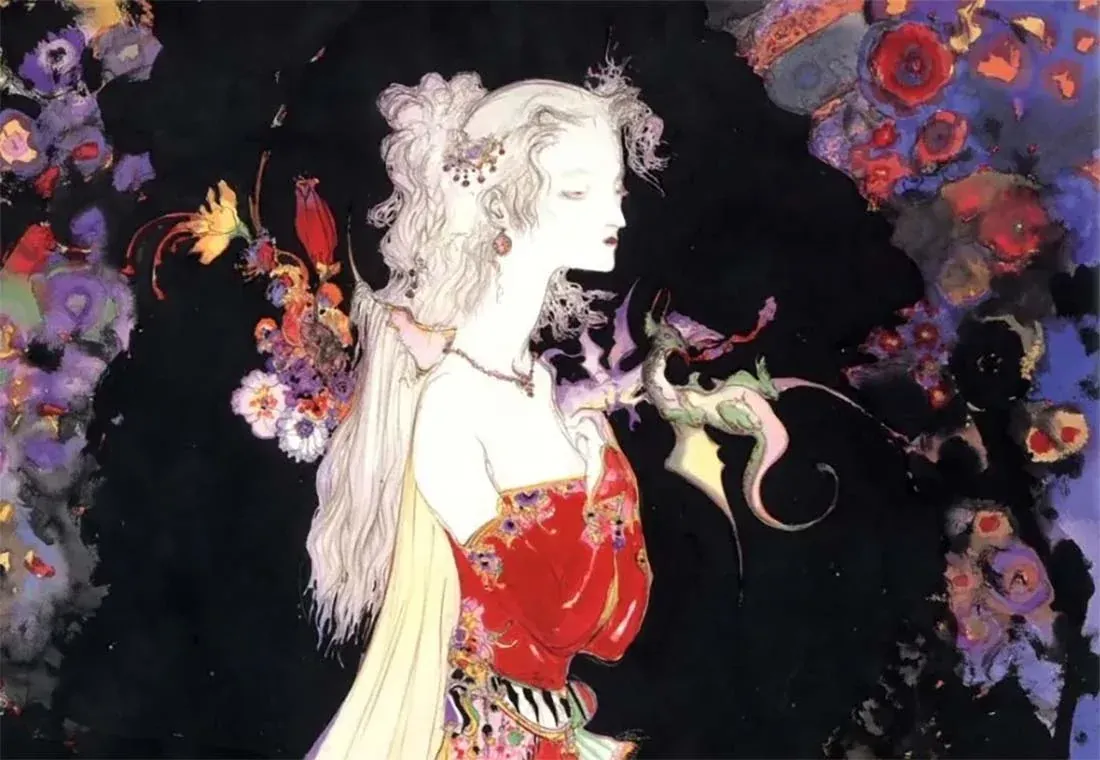
- yoshitaka amano, Tera Bradford, c. 1994
- Demonstrates a parallel and in how Square approached fine-arts across proprties, and the style variance it contributed to make each unique.
- © Rights held by the respective copyright holders
Isono’s relationship with Square is most clearly documented through his work on the Seiken Densetsu (Mana) titles. While the full scope of his responsibilities cannot be reconstructed, surviving material strongly suggests that he functioned as the series’ fine-art anchor rather than as a technical artist embedded in the production pipeline. His paintings informed foundational environmental design, color and atmospheric direction, and visual reference material that was adapted directly into pixel art. In addition to concept work, his illustrations were used for promotion—including box art and posters—and, in several cases, were translated almost verbatim into in-game imagery. The close correspondence between his painting practice and the resulting game environments indicates that his artwork played a formative role in shaping the Mana series’ world-building rather than merely supporting it.
Seiken Densetsu 2 (Secret of Mana)
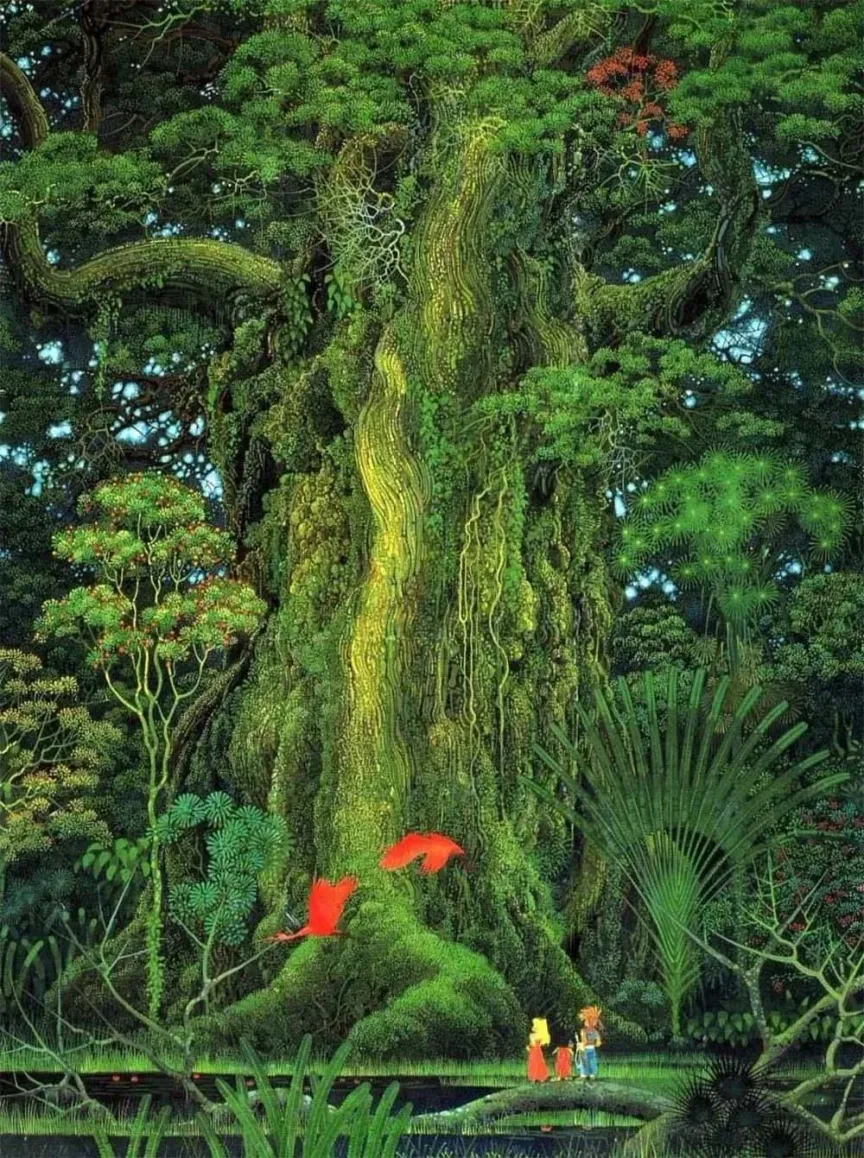
- Hiroo Isono, Art for Seiken Densetsu 2, c. 1993
- Demonstrates Isono's contributions the development project
- © Rights held by the respective copyright holders
Square titles of this era were exceptionally rare and highly regarded, representing some of the most cohesive and carefully executed productions in the medium. To contribute to the visual direction of such a project—and to do so in a way where an individual artistic signature remains clearly visible—is a significant achievement, regardless of the medium’s standing within traditional art criticism.
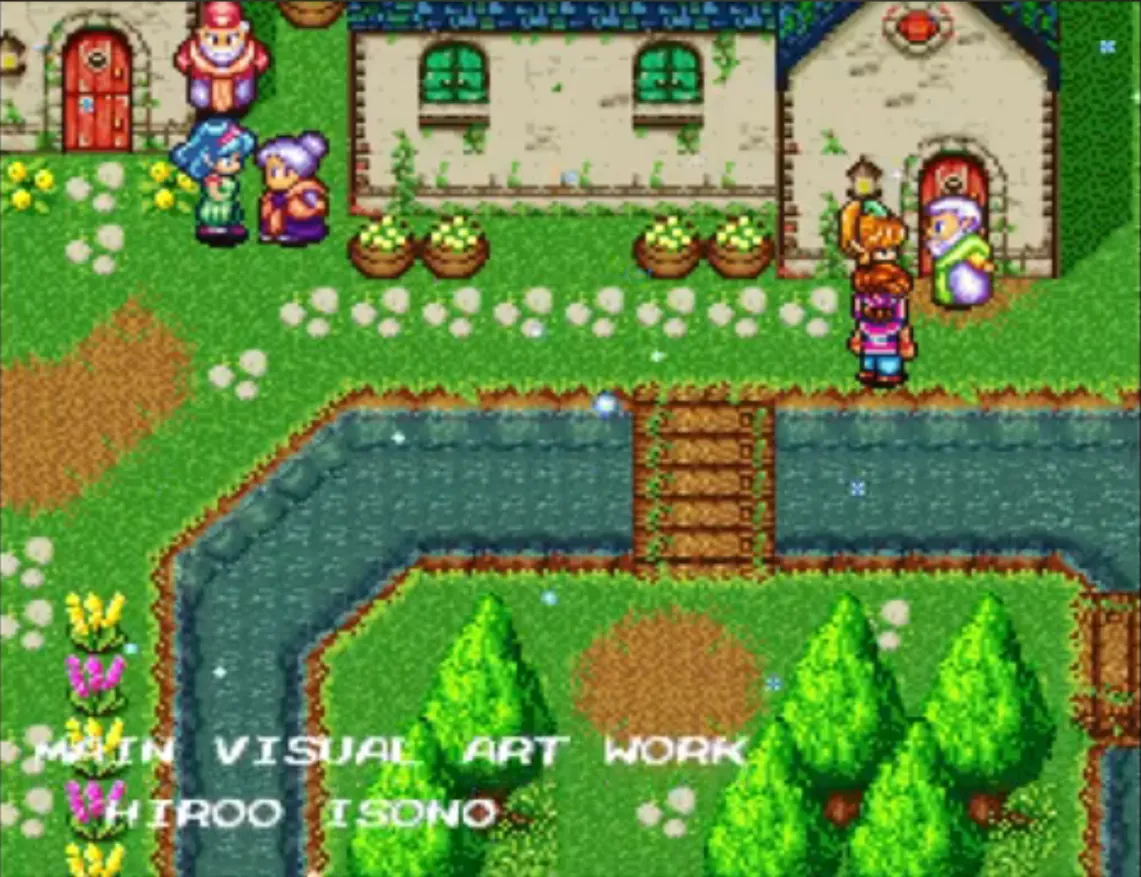
- Secret of Mana (English Version of Seiken Densetsu 2) Credit Screen
- Shows Isono's credited title on the project
- © Rights held by the respective copyright holders
Isono is credited in the game credits as "Main Visual Artist Work" and this is aligned with his apparent influence. His role was not technical; rather, his illustrations were translated and adapted into pixel form by the development team. In this process, his dense forest imagery and surreal natural spaces became integral to the game’s sense of place and mythic tone, contributing indirectly to its lore and environmental storytelling. I would argue that the series is so defined by his style that his role is closer to that of direction not just supplying artwork as reference, but this is conjecture and semantics.
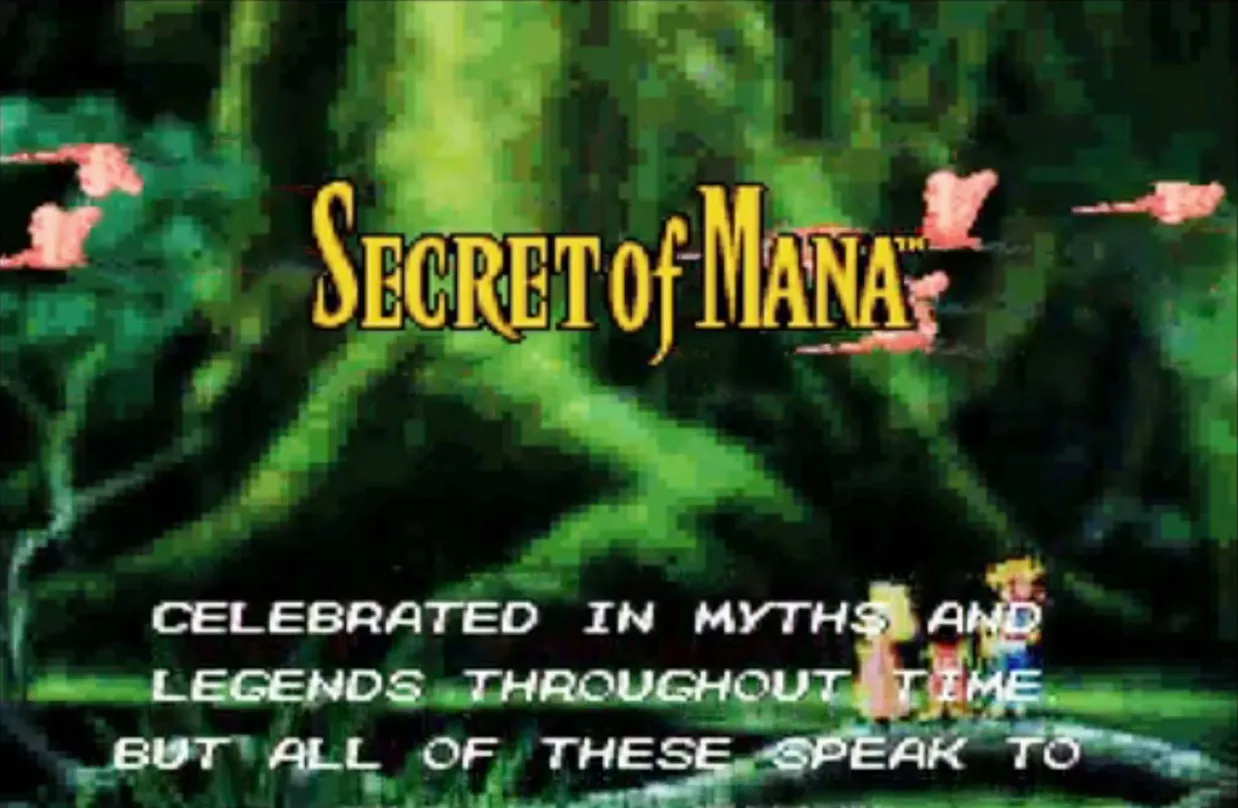
- Secret of Mana (English Version of Seiken Densetsu 2) Title Screen
- Shows Isono's cover artwork directly pixelized and animated into the titel screen.
- © Rights held by the respective copyright holders
One of the most explicit examples of this translation appears in the game’s opening sequence, where his distinctive pink avian motifs are rendered in pixel art and animated across the screen. This sequence demonstrates not only direct visual adaptation but also the willingness of the production to preserve the character of his imagery rather than merely reference it.
Seiken Densetsu 3
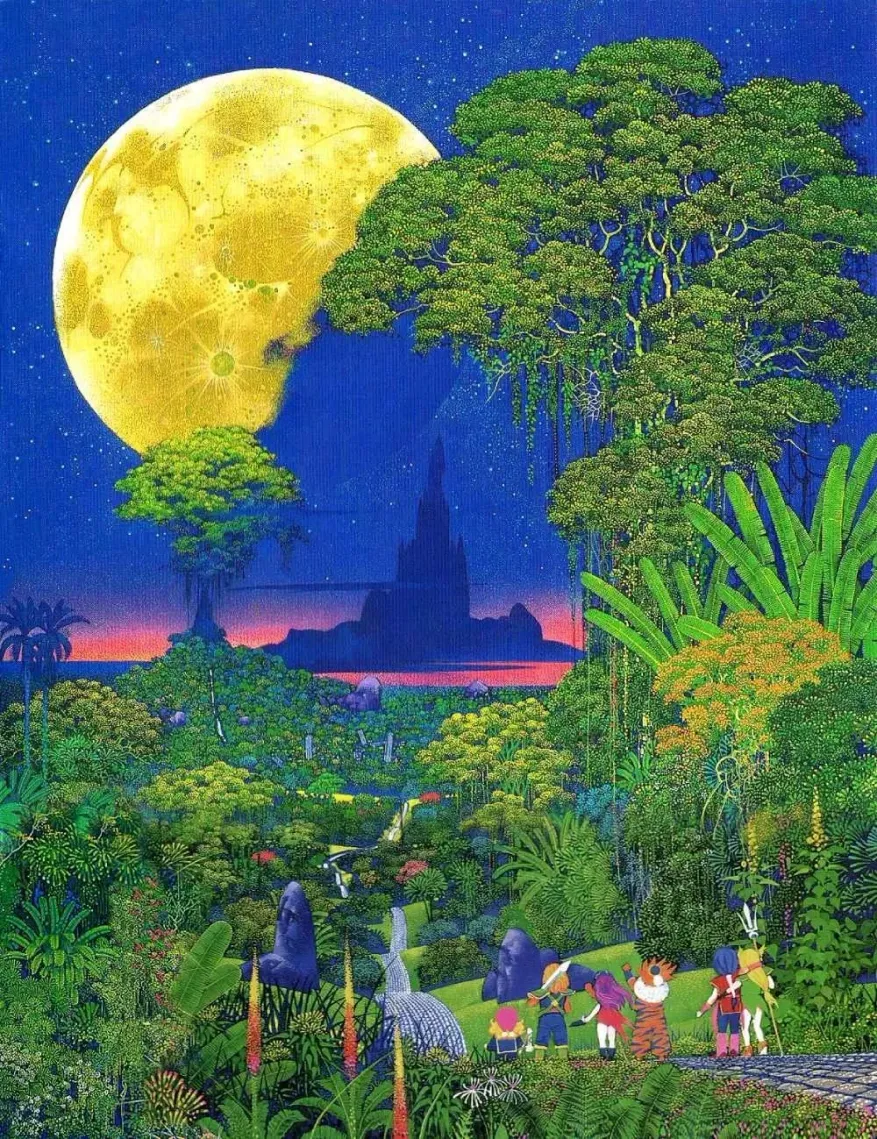
- Hiroo Isono, Art for Seiken Denstesu 3, c. 1995
- Demonstrates Isono's contributions the development project
- © Rights held by the respective copyright holders
Isono continued his involvement with the series on Seiken Densetsu 3. The title was never localized for Western audiences, making its historical position less visible outside Japan. When examined alongside contemporary releases, however, its visual language appears unusually refined and coherent, reinforcing the sense that Isono maintained a comparable role in shaping its aesthetic direction. He was officially credited as HIROO ISHONO for world map, and illustration
The above poster has many similarities to his approach to Seiken Densetsu 2, everything feels bigger and more ambitious, the protaganist party is bigger and so is surreal elements, the tree now gives way to a rich blue sky and moon and shiloute of a castle.
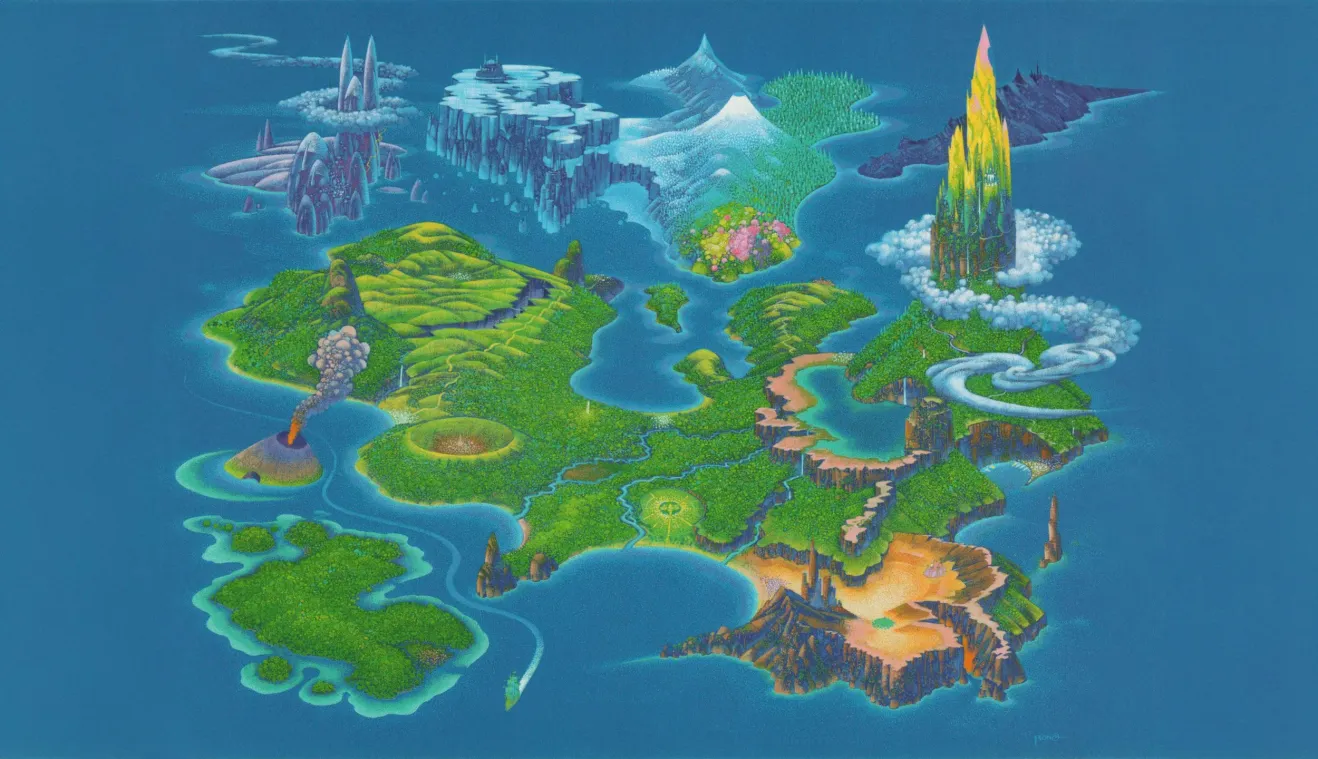
- Hiroo Isono, World Map for Seiken Denstesu 3, c. 1995
- Demonstrates Isono's contributions the development project
- © Rights held by the respective copyright holders
Isono did the the illustration of the world map for the game, the world itself is called "World of Mana". This is a beautiful rare mix of fine-art sensibilities applied to a utilitarian aspect of game design and there's an on going versatility to his work where Hiroo demonstrates suprising control in what appears to be one off content. For example the approach to handle monuments, clouds, the map like perspect, all the little details are pretty interesting and it features a flower garden as well.
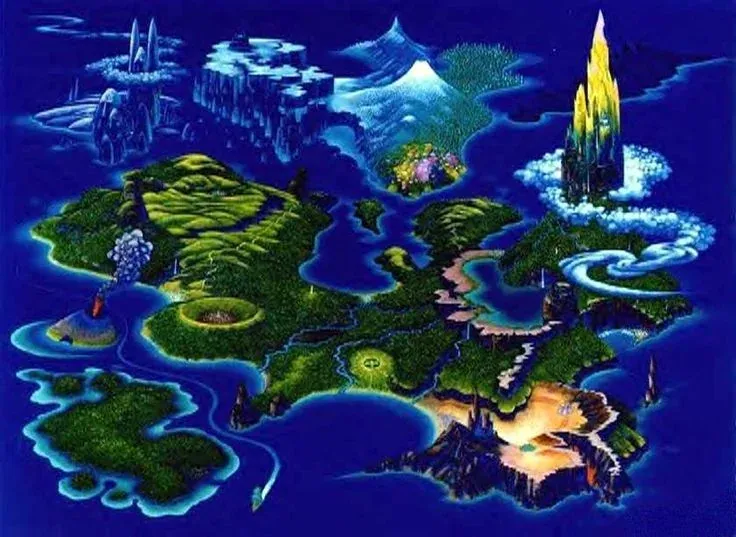
- Hiroo Isono, World Map for Seiken Denstesu 3, c. 1995
- Demonstrates Isono's contributions the development project
- © Rights held by the respective copyright holders
Here is his illustratrion pixelated directly into game which would be included in a menu the player would use for navigation and travel.
Children Of Mana
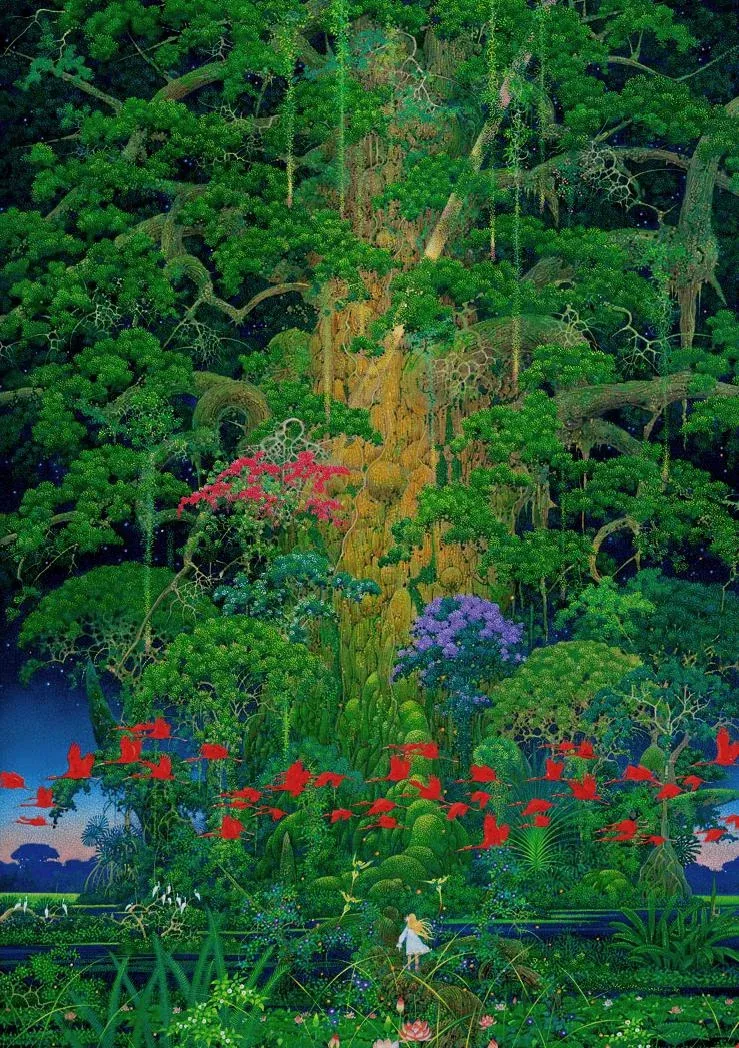
- Hiroo Isono, Cover Art for Dawn of Mana, c. 2006
- Demonstrates Isono's contributions the development project
- © Rights held by the respective copyright holders
It is known that Isono contributed illustration to the Children of Mana production as well in symbolic style across all installments of the franchise showing the protagonist(s) facing the mana tree.
Mana's Legacy
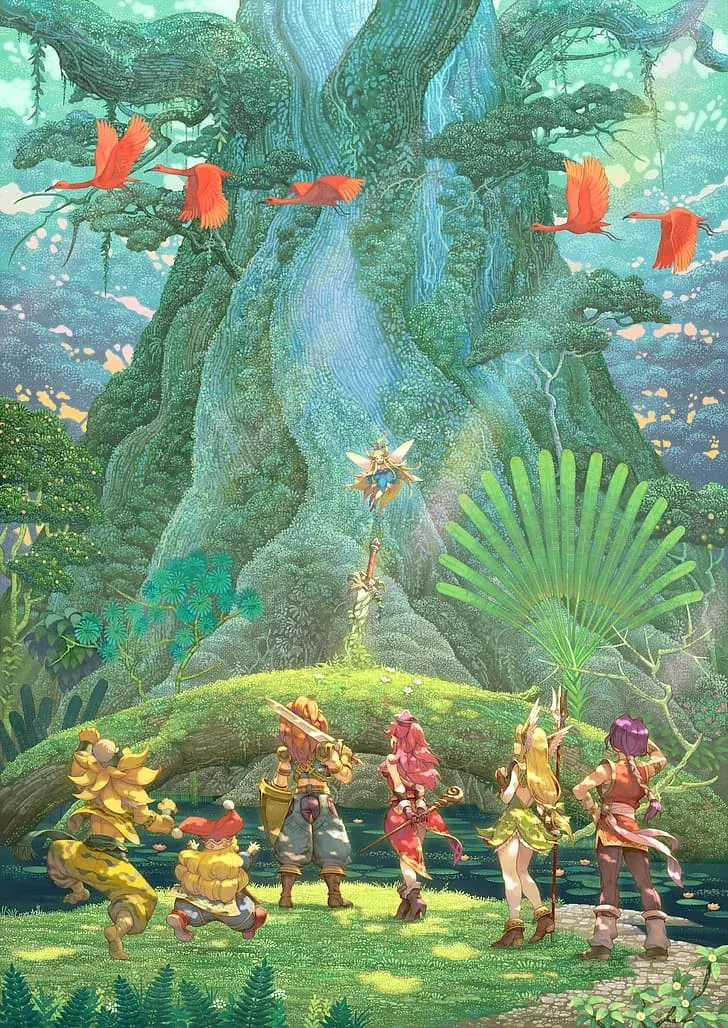
- Key Illustration Cover Art for Trials of Mana (Remake), 2020
- Depicts the lineage of Hiroo Isono's artwork still carrying on as clear iconic symbolism
- © Rights held by the respective copyright holders
The Mana series has since been remastered, re-released, and expanded across multiple generations of hardware. While visual fidelity has evolved, the underlying aesthetic foundations established during the early titles remain intact. The environmental tone, color sensibilities, and mythic framing that Isono helped introduce continue to inform the franchise.
Through Square’s stewardship, his contributions became part of a long-lived intellectual property whose visual identity still bears the imprint of its early conceptual foundations. In this sense, his work within the Mana series represents not only a notable moment in his career, but one of the clearest examples of fine-art illustration shaping a large-scale production world.
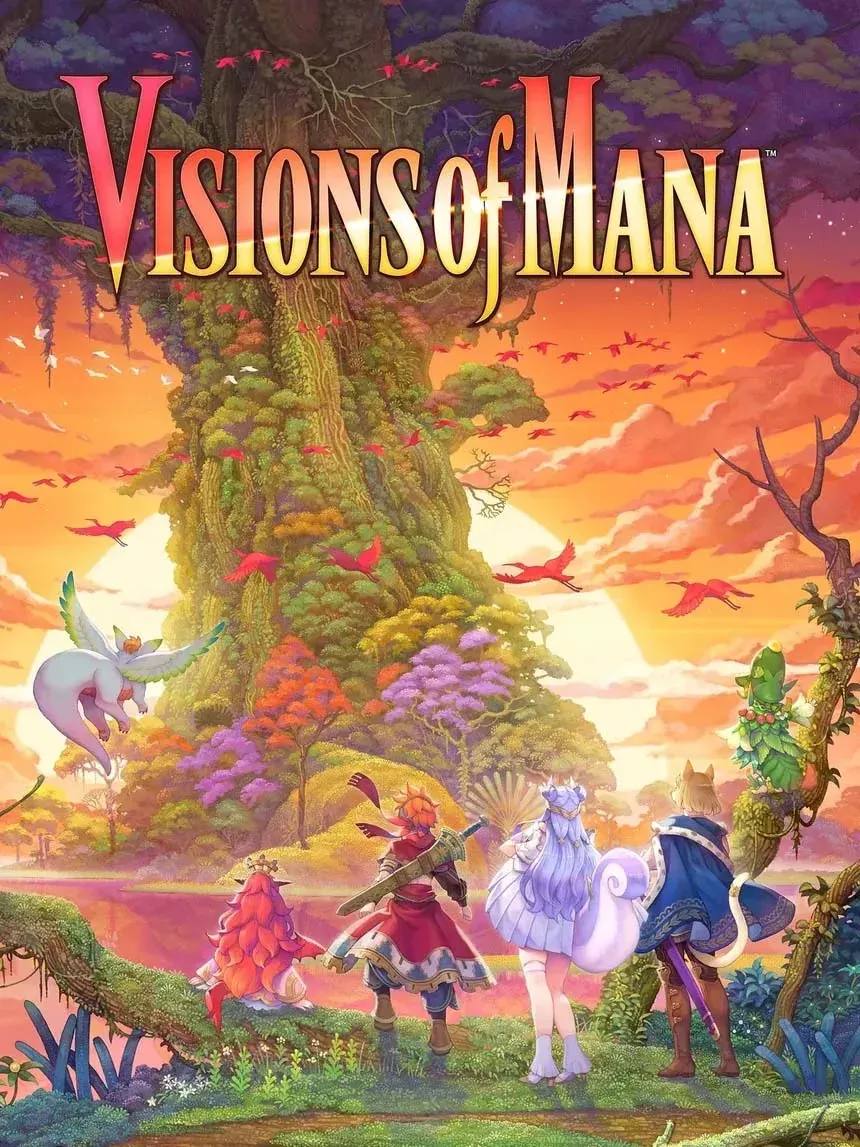
- Key Illustration Cover Art for Visions of Mana, 2024
- Depicts the lineage of Hiroo Isono's artwork still carrying on as clear iconic symbolism
- © Rights held by the respective copyright holders
Released more than a decade after Hiroo Isono’s passing, Visions of Mana demonstrates how enduring his visual language remains within the Mana series. The imagery draws directly from motifs long associated with Isono’s work: reflective water surfaces, layered forest canopies formed from clustered foliage, and the monumental presence of the great tree as a central symbol. These elements are among the most recognizable aspects of his imagery for audiences who encountered his work through this genre.
The procession of birds crossing sky and water is another recurring motif strongly associated with Isono’s visual identity. Its appearance here reads less as quotation than as continuation, functioning as a recognizable signature rather than a reinterpretation. For viewers familiar with his work, these elements collectively signal lineage and authorship without requiring explicit attribution.
It is worth acknowledging Square in this context. Without asserting intent or internal authorship decisions, the sustained presence of these motifs across decades suggests a clear continuity in visual identity. This reflects an uncommon degree of respect for the visual foundations that shaped the series.
As an observing consumer, the continued visibility of Isono’s visual signatures within the Mana series remains notable, and for many viewers, meaningful.
Emerald
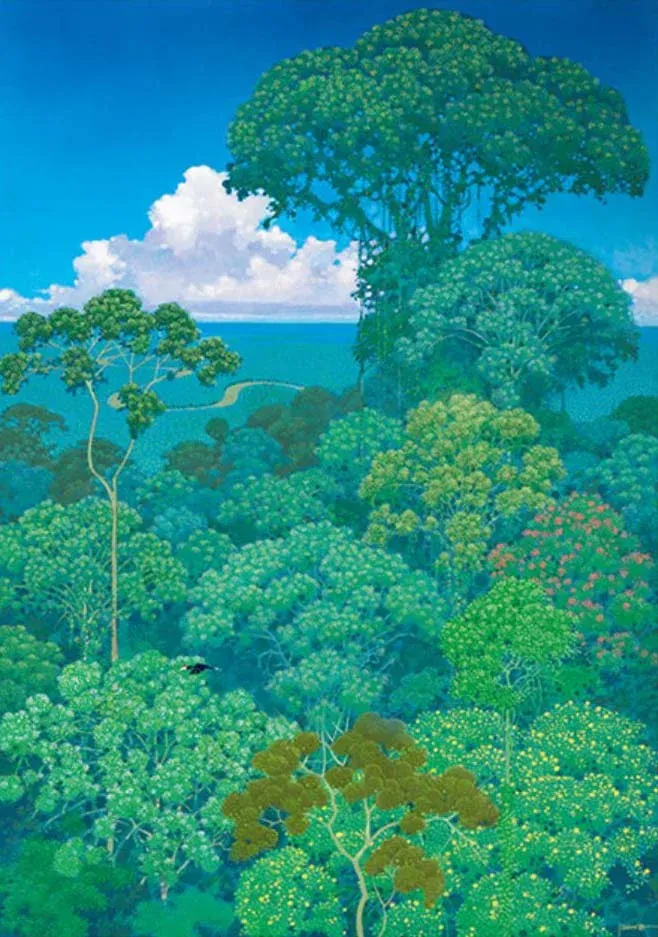
- Hiroo Isono, Eternal Forest (永遠の森)
- Poster for the posthumous exhibition Hiroo Isono Memorial Works Exhibition, Furukawa Art Museum (Annex), Nagoya, Japan, May 31 – June 22, 2014.
- © Hiroo Isono / Furukawa Art Museum.
In reflecting on Isono’s travels and his desire to be close to nature, especially the largest and most imposing forests he sought out, it feels less like landscape painting and more like an encounter. His work gives the impression of standing before something ancient and powerful. I think of it as a temple that belongs to the forest.
This may sound mystical, but I think it reflects something we’ve largely lost in modern life: the ability to recognize the natural world as a force in its own right. The central insight I take from Isono’s work is a perspective—one that sees nature with greater reverence, and draws inspiration directly from that encounter.
For the production arts, his contributions to the Mana series reinforce my belief in the value of strong fine-arts foundations within art direction. His work stands as a clear example of how deeply considered visual language can elevate an entire project beyond function or genre.
I hope this article helps further establish Isono for a Western audience. His imagery influenced many people here, often without their realizing who created it. By reconnecting that work to his name, my aim is to open a doorway into his broader body of work and help position it more firmly within fine-arts discourse. This reflects a wider interest of mine: advocating for production art and illustration to be taken seriously within institutional conversations around fine-arts value—areas I believe are still too narrowly defined.
I undertook this research both as study and as homage. Curiosity and nostalgia have shaped my own artistic development, and Isono’s work has been a quiet but lasting presence in that process. Writing this felt like a way to acknowledge that influence openly rather than leaving it unspoken.
What I bring to this work are contemporary observations—perspectives that could just as easily be made decades from now. My hope is simply to offer a starting point: a small record that helps integrate Isono into Western art discussion and preserves how his work was experienced within its time. His imagery reached millions through entertainment media, but its influence extended further—awakening a sense of wonder and artistic possibility for many.
Isono strikes me as a workhorse artist rather than a celebrity one. His career suggests sustained study, deep observation, and a lifelong engagement with both art history and the natural world. This is my own interpretation, based on the work that remains, but it’s one I find deeply inspiring. I only wish there were more records of his life—more insight into the path behind such enduring imagery.